Reach That Makes APS-C Worthwhile for Wildlife
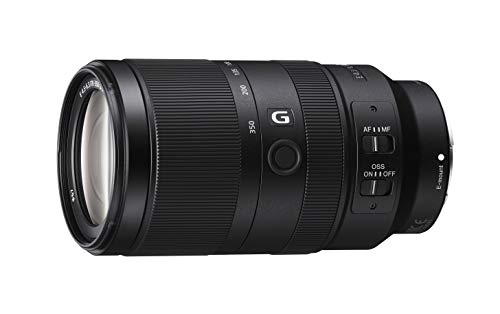
On an APS-C body the long end provides a field of view equivalent to a very long telephoto on full-frame, which is enough to photograph garden birds, distant deer and players across a field. For the size, this reach is impressive.
Owners report sharpness that holds up well even wide open at the long end. Colour and contrast match the G series character, clean and neutral, which suits editing.
Autofocus, Stabilization and Handling
Autofocus uses fast linear motors, and when paired with modern Sony subject detection it tracks birds and sports reliably. Stabilization helps steady handheld shots, especially with bodies that lack in-body stabilization.
The lens extends noticeably when zoomed, and it lacks a tripod collar. On smaller bodies it can feel front heavy, though many owners find it manageable for handheld use.
Who Should Buy It (and Who Should Skip It)
Buy it if you are an APS-C wildlife beginner who wants serious reach without a heavy lens, a sports parent shooting outdoor matches, or a traveller who wants telephoto flexibility for distant details and animals.
Skip it if you photograph indoor sports, where the modest aperture limits shutter speed, or if you plan to move to full-frame soon, where the FE 70-300mm or 200-600mm may be a better long-term investment.
Against Cheaper and Full-Frame Choices
The Sony E 55-210mm is cheaper and lighter, but it has less reach and softer images at the long end. For serious wildlife the 70-350mm is clearly better.
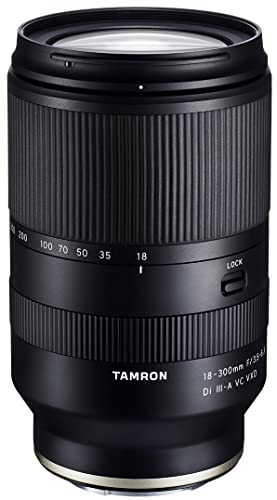
The FE 70-300mm G covers full-frame, so it moves with you if you upgrade, but on APS-C it has less reach. The Tamron 18-300mm is a single-lens travel solution but less sharp at the long end and slower to focus.
Owning It: Accessories and Owner Feedback
Owners commonly add a lens hood if not included, a protective filter, and a sling strap for comfortable carrying. Fast cards and spare batteries help during long bursts at events or wildlife sessions.
The learning curve is modest; tracking moving subjects at long focal lengths takes practice. Common complaints include the lack of a tripod collar and the modest aperture in poor light.
Settings and Habits That Help
Owners who get the best results from this lens keep shutter speeds high at the long end, use continuous autofocus with the camera subject detection switched on, and shoot short bursts to catch a sharp frame. Early morning and late afternoon light is beautiful but dim, so letting auto ISO climb is usually better than accepting motion blur.
For garden birds, sitting still near a feeder for a while gives far better results than chasing subjects around. For sports, standing near the touchline and pre-focusing on where the action will arrive makes the most of the reach and the fast linear motors.
Frequently Asked Questions
Yes, it offers strong reach for APS-C bodies and works well for garden birds and larger wildlife.
Yes, it has optical stabilization, which helps on bodies with and without in-body stabilization.
It has dust and moisture resistant construction, though a rain cover is still advised in heavy weather.
It mounts, but the camera switches to crop mode because the lens is designed for APS-C.