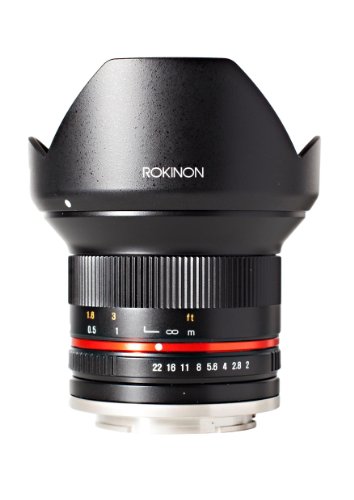
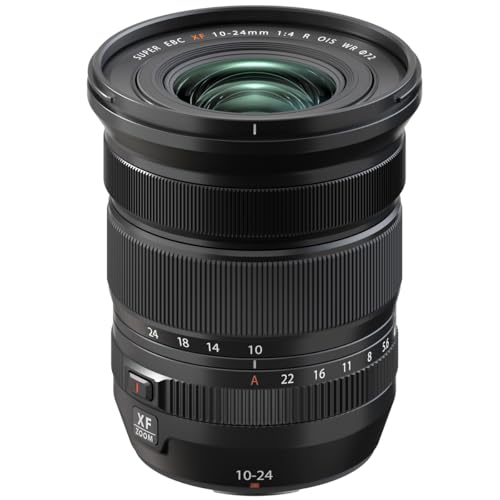
Optical performance and sharpness
Center sharpness impresses from the widest aperture, which matters enormously for astro photography where every bit of light and detail counts. Corner performance softens somewhat wide open but tightens up a stop or two down, which is a fair trade for how fast the lens is overall.
Distortion at this focal length is noticeable and needs correction in editing software, a common trait of ultra wide primes rather than a unique weakness of this lens specifically.
Autofocus and everyday handling
For an ultra wide prime, autofocus is dependable and quick enough for landscapes, interiors and environmental shots where exact focus speed is not critical. In low light, like much of its intended astro use, focus confirmation can slow down, which is typical at this class of lens.
The lens is heavier than a typical APS-C prime, and its front-heavy balance is noticeable on smaller camera bodies, though it remains manageable for handheld shooting over a session.
Build quality and shooting in the field
The metal barrel construction feels reassuringly solid, and weather resistant seals give some confidence shooting outdoors in damp or dusty conditions, which matters for astro photographers working late into the night away from shelter.
The large bulbous front element rules out standard screw-in filters entirely, so anyone wanting a protective filter or a dedicated light pollution filter will need a specialized rear mounted or clip in solution instead of a conventional front thread.
Who benefits most from this lens
Astro photographers get the clearest benefit, since a genuinely fast aperture at this focal length lets in meaningfully more light for star trails and nightscapes than a typical ultra wide zoom. Interior and architecture photographers also gain from the wide field of view paired with strong center sharpness.
Photographers who mostly shoot general landscapes during daylight may find a slower zoom more flexible day to day, since this lens commits fully to its ultra wide, fast aperture purpose rather than trying to do everything instead of specializing in low light wide angle work.
Frequently Asked Questions
Yes, its genuinely fast aperture at an ultra wide focal length makes it one of the more capable options on APS-C mirrorless for night sky and star work.
Not with standard screw-in front filters, since the front element is large and bulbous, so photographers needing filtration typically use a rear gel solution where supported.
It is designed specifically for APS-C sensors and will not cover a full-frame sensor properly, so it should be paired with a crop body.
Distortion is present and typical of ultra wide primes, and most photographers correct it in editing software rather than relying on in-camera correction alone.