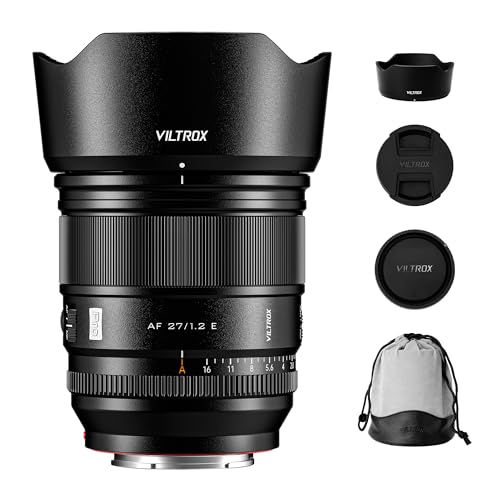
What the ultra-wide field of view enables
This focal length delivers a genuinely dramatic, expansive field of view that suits sweeping landscape vistas, tight architectural interiors and night sky photography where fitting as much of the scene as possible into the frame matters.
For photographers who have not worked with a lens this wide before, there is a real learning curve to composing effectively, since the wide view tends to include far more context than a standard or telephoto lens would show.
Aperture speed and low-light use
The reasonably fast aperture is a genuine advantage for night sky and astro photography specifically, letting in more light than a typical variable-aperture ultra-wide zoom would manage at the same wide field of view.
For handheld low-light landscape work, the combination of a wide angle and faster aperture also helps keep shutter speeds short enough to avoid blur without pushing sensitivity settings excessively high.
Sharpness and distortion characteristics
Center sharpness is good across most of the aperture range, with some softening toward the extreme edges that is fairly typical for lenses this wide, regardless of brand or price tier.
Distortion is present at this field of view, as it is with virtually all ultra-wide lenses, and benefits from in-camera or software correction for scenes with straight lines like architecture, though it matters far less for landscape and astro subjects.
Autofocus and handling
Autofocus performs dependably for a wide-angle prime, which is useful for the growing number of photographers using this focal length for environmental and landscape-style portraits as well as pure scenery.
The build feels lighter than some premium alternatives, which is a reasonable tradeoff for the price, though it means handling it with a bit more care than a denser, more expensive lens.
Who should choose this lens
Landscape, architecture and astro enthusiasts on APS-C mirrorless systems who want genuine ultra-wide reach without a large investment will find this lens a sensible, capable choice.
Photographers who need the absolute best edge-to-edge sharpness or the most premium build should compare it against pricier first-party ultra-wide alternatives, accepting the higher cost that comes with those options.
Frequently Asked Questions
Yes, its reasonably fast aperture and wide field of view make it a popular, affordable choice for night sky and astro photography on APS-C systems.
Some distortion is present at this field of view, which is typical for ultra-wide lenses generally, and it benefits from correction for architectural scenes with straight lines.
Yes, it performs dependably for a wide-angle prime, which is useful for both landscape work and environmental portraits at this focal length.
Yes, it offers a genuinely wide field of view and reasonably fast aperture at a price well below many other ultra-wide prime and zoom options.