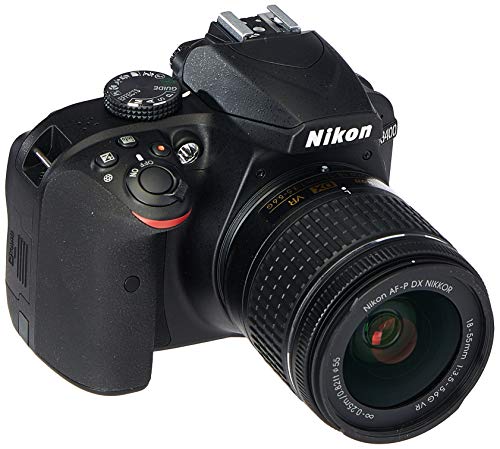
Image quality for the class
The sensor in the D3400 punches above its entry level positioning, delivering detailed files with pleasant color straight out of the camera. In daylight and well lit indoor scenes, files hold up well for prints and online sharing alike.
Dynamic range is respectable too, giving some room to recover shadow detail in editing without the image falling apart. This matters for beginners who are still learning to judge exposure in the field.
Handling and the optical viewfinder
Composing through an optical viewfinder, rather than an electronic one or a rear screen, encourages a more deliberate approach to framing that many photographers consider valuable while learning. There is no lag or battery drain from a live electronic preview.
The body is light and comfortable to hold for extended periods, with a grip that suits smaller hands reasonably well. Controls are kept simple, with a guide mode that explains settings in plain language for newcomers.
Battery life and everyday reliability
Battery life is the standout practical feature here. A single charge can realistically last through several days of casual shooting, which removes a common source of anxiety for beginners still learning to manage their gear.
This reliability extends to general day to day use. The camera rarely surprises with unexpected shutdown, and spare batteries are inexpensive if ever needed for a long trip.
Where the D3400 shows its age
The lack of a touchscreen is the most obvious gap compared with current entry cameras, and menu navigation via buttons feels slower once a user is used to tapping a screen. Video recording is basic, with no input for an external microphone.
Wireless connectivity exists but is limited to simple image transfer rather than the fuller remote control features found on newer bodies. None of this is a dealbreaker for stills focused beginners, but it is worth knowing going in.
Who should still buy this camera
Students and first time DSLR buyers who want to learn exposure and composition fundamentals on a budget will get genuine value here, especially paired with an affordable prime lens for portraits or everyday subjects.
Anyone prioritizing video, fast burst shooting for sports, or the latest connectivity features is better served by a mirrorless body from Nikon current Z lineup, where autofocus and video have moved on considerably since this camera was designed.
Frequently Asked Questions
Yes, its simple controls, guide mode and optical viewfinder make it a genuinely approachable first DSLR for learning photography fundamentals.
Battery life is exceptional for this class of camera, often lasting through several days of casual shooting on a single charge.
No, it uses a fixed rear LCD without touch input, which is one of the clearest signs of its age next to current entry cameras.
Video features are basic, with no external microphone input, so it suits stills focused beginners more than hybrid video and photo shooters.

