What apodization actually changes
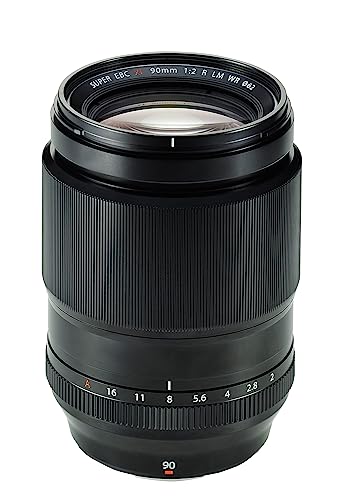
The apodization element is a specialized filter built into the lens that gradually darkens toward the edges of the aperture opening, which smooths the transition at the edges of out of focus highlights. In practice, this means background blur looks softer and more gradual than a standard lens of the same aperture and focal length.
The effect is most visible with background highlights and points of light, which take on a softer, more painterly quality rather than the harder edged circles a standard lens produces. For portrait photographers chasing a specific dreamy background look, this is a genuinely distinctive rendering that few other lenses can replicate.
Sharpness and subject rendering
Despite the exotic rendering happening in the background, sharpness on the subject itself remains excellent, with fine detail in eyes and skin texture holding up even at the widest aperture. This combination of sharp subject and exceptionally smooth background is the core appeal of the lens.
Color rendering stays faithful and pleasant for skin tones, which matters as much as the background rendering for a lens built specifically around portrait work.
Autofocus speed and practical shooting
The apodization element reduces the light reaching the autofocus sensor, which slows focusing noticeably compared with standard Fujifilm primes. For deliberate, posed portrait sessions this rarely matters, but photographers hoping to use this lens for faster moving subjects will find the pace frustrating.
Working at the widest aperture also means depth of field is extremely shallow, so precise focus on the eyes becomes critical, and the slower autofocus means some patience and careful technique pays off more than with a faster focusing alternative.
Build quality and handling
The lens feels substantial in hand, with a build quality that matches its premium price and position in the Fujifilm lineup. Focus and aperture rings move with the kind of precision expected from a specialist lens built for photographers who care deeply about the details.
It balances reasonably well on larger Fujifilm bodies, though its weight is noticeable compared with more compact primes in the same system, which is a fair tradeoff for the optical design packed inside.
Who should actually buy this lens
This lens suits dedicated portrait photographers who have already identified background rendering as something they care about specifically, often after noticing the difference in a competitor standard portrait prime and wanting more. It is a deliberate, specialist purchase rather than a general recommendation.
Photographers who want a portrait prime for broader use, including some action or event work, are better served by the faster focusing standard version of the same focal length, saving this specialist option for when the particular rendering is the entire point.
Frequently Asked Questions
It smooths the edges of out of focus background highlights, producing a softer, more gradual blur than a standard lens of the same aperture would create.
Yes, the apodization element reduces light reaching the autofocus sensor, which noticeably slows focusing compared with standard portrait primes in the same lineup.
Only for photographers who specifically want the smoother background rendering the apodization element provides, since the standard version focuses faster and costs less.
It can be used more broadly, but its slower autofocus and specialized rendering mean it is best suited to deliberate, posed portrait work rather than fast action.