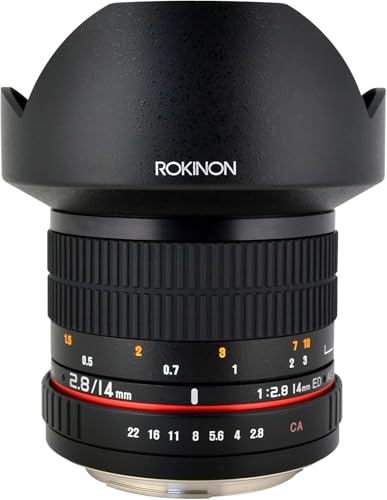
Wide-angle, standard, and telephoto lenses differ mainly in angle of view and how they render the relationship between near and far objects, and choosing between them is really a question of how much of the scene you want to include and how you want distance to look in the frame.
Angle of View
A wide-angle lens takes in a broad slice of the scene from a given position, which is useful when the subject cannot be backed away from or when the surroundings matter as much as the subject. A telephoto lens narrows that slice dramatically, isolating a smaller part of the scene. A standard lens sits in between, closest to what the human eye perceives as a natural field of view.
Perspective and Compression
Perspective is actually controlled by camera position, not focal length alone, but the two interact in a way that produces very different looks. Shooting wide and standing close exaggerates the size difference between foreground and background, while shooting telephoto from farther away compresses that same scene so distant objects appear closer to the subject in scale. A standard lens, used at a natural working distance, keeps proportions closest to how a scene actually looks in person.
Typical Use Cases
Wide-angle lenses suit landscapes, interiors, and group shots in tight spaces where stepping back is not an option. Standard lenses suit documentary work, street photography, and everyday shooting where natural proportions matter. Telephoto lenses suit portraits, sports, and wildlife, where compression is flattering or the subject cannot be approached closely.
- Wide-angle: architecture, landscapes, cramped interiors
- Standard: street, documentary, general everyday photography
- Telephoto: portraits, sports, wildlife, subject isolation
Choosing Based on Working Distance
The category label matters less than how much physical space is available. A wide-angle lens used far from the subject can produce a similar framing to a standard lens used close up, but the perspective and background compression will still differ. Thinking about how close you can realistically get to a subject, rather than the category name alone, usually points to the right choice.
Recommended Lens

Standard Zoom Lens