Low-light and night performance
The wide maximum aperture is the clear reason to choose this lens, gathering enough light for handheld interiors, evening cityscapes and basic night-sky photography without pushing sensitivity settings to uncomfortable levels.
Background blur at the widest aperture is smooth for a wide-angle lens, which helps separate foreground subjects from busy backgrounds in environmental portraits.
Sharpness and optical quality
Sharpness holds up well from corner to corner, even at the widest aperture, which matters for landscape and architecture photographers who rely on consistent detail across the whole frame.
Some barrel distortion is visible uncorrected, though in-camera and software corrections handle it cleanly for the vast majority of practical shooting situations.
Size, weight and handling
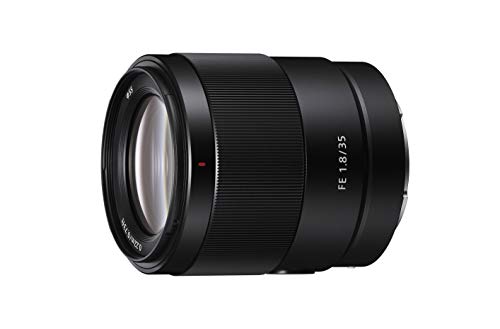
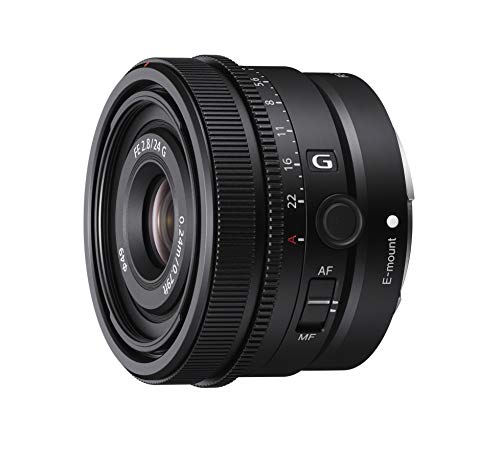
This lens stays remarkably compact for a wide, bright full-frame prime, making it an easy addition to a travel kit without adding meaningful bulk. It balances well on both compact and larger Sony bodies.
Autofocus is fast and virtually silent, which benefits both stills work in changing light and video use where audible focus motors would be distracting.
Who gets the most value
Landscape and astro photographers benefit from the wide aperture for star fields and dim interiors, while environmental portrait photographers appreciate the wider framing for storytelling shots that include context around a subject.
Photographers who mostly shoot in bright daylight may find a slower, cheaper wide lens delivers similar practical results, making this lens best suited to those who regularly shoot in challenging light.
Long-term ownership and system fit
As a G-series lens rather than the top-tier flagship line, this prime sits in a comfortable middle ground, delivering most of the optical performance photographers actually need without the premium cost of the very highest tier glass.
Owners who travel frequently tend to describe this lens as one of the pieces of their kit they are least likely to leave behind, precisely because the combination of small size and wide bright aperture covers so many situations without demanding a second lens swap.
Compared with carrying a larger standard zoom for the same focal range, the weight and bulk savings add up noticeably over a full day of walking, which matters more than it might seem on paper once a photographer has actually felt the difference tugging at their shoulder by the end of a long shooting day.
Frequently Asked Questions
Yes, the wide maximum aperture and strong corner sharpness make it a capable choice for basic night-sky and star-field photography.
Some barrel distortion is visible uncorrected, but standard in-camera and editing corrections handle it well for most shooting situations.
Yes, the fast, near-silent autofocus motor makes it a practical choice for hybrid shooters who also record video.
It offers a wider aperture and sharper corners than most budget alternatives, at a price that reflects that extra performance.