
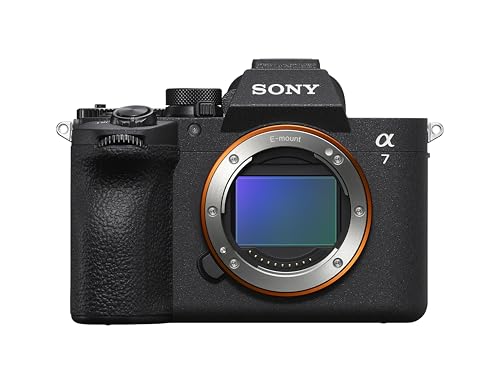
Quick Verdict
The Nikon Z6III and Sony Alpha 7 V are realistic alternatives for full-frame hybrid, but the smarter choice depends on workflow rather than one headline specification. The best camera is the one that removes more limitations from the work you shoot repeatedly.
What Separates These Cameras?
Start with sensor and image priorities, autofocus and speed, video workflow, body handling, and the lens ecosystem. A camera can lead in one area and still be the weaker purchase if you do not need that advantage.
Image Quality and Resolution
Do not reduce image quality to megapixels alone. Resolution affects cropping freedom and large output, but final quality also depends on exposure, lens quality, focus accuracy, dynamic range, noise handling, and processing. Buyers who routinely crop wildlife, photograph detailed commercial work, or print large may place more weight on resolution than creators delivering mostly to social platforms.
For full-frame hybrid, decide how much resolution you genuinely need before accepting larger files and heavier storage demands.
Autofocus and Moving Subjects
If you photograph people, pets, wildlife, sports, events, or unpredictable movement, autofocus behavior can matter more than small differences in static image quality. Look at subject recognition, tracking behavior, autofocus-area control, burst performance, viewfinder responsiveness, buffer behavior, and how quickly the camera lets you change settings under pressure.
Do not judge action performance from a maximum frame-rate number alone.
Video and Hybrid Shooting
For video, compare the complete recording workflow: resolutions and frame rates you actually use, crop behavior, media requirements, thermal management, microphone and headphone options, display design, stabilization, and how easily the files fit into your editor.
A hybrid photographer should choose the camera that creates the fewest compromises across stills and video.
Handling and Portability
Grip depth, control placement, viewfinder position, screen movement, body size, battery access, card-door access, and menu organization affect every shoot. A compact body can lose its travel advantage when paired with a large fast zoom, so compare the full kit.
Lens Ecosystem and Long-Term Cost
Because these cameras are from different systems, compare the complete lens and accessory cost rather than body price alone.
Price a realistic kit: body, standard zoom, one fast prime, and the telephoto or wide-angle lens you actually need. Also consider batteries, chargers, cages, flashes, memory cards, and software support.
Which Is Better for Full-Frame Hybrid?
Choose the Nikon Z6III when its body design, performance priorities, or lens system better match the assignments you repeat most often. Choose the Sony Alpha 7 V when it offers a better balance of portability, simplicity, system cost, controls, or video/photo priorities.
Who Should Buy the Nikon Z6III?
Buy the Nikon Z6III when you can identify a specific recurring advantage it gives you. That may be speed, resolution, handling, video workflow, or access to particular lenses. Paying for unused capability rarely produces better work.
Who Should Buy the Sony Alpha 7 V?
Buy the Sony Alpha 7 V when its overall balance fits your budget and shooting style better. A less expensive or less specialized body can be the more professional decision if it lets you invest in better lenses, lighting, audio, travel, or backup gear.
Before You Buy
- Build the lens kit on paper first.
- Check current battery and card requirements.
- Confirm important video modes on the current manufacturer page.
- Compare complete kit weight.
- Check RAW and video compatibility with your software.
- Verify whether features depend on firmware.
- Handle both cameras in person when possible.
Frequently Asked Questions
That depends on final output and lenses used. Higher resolution can help cropping and large prints, but focus, exposure, lens quality, processing, and technique remain critical.
The easier camera is the one whose controls, autofocus behavior, lens options, and total system cost let the photographer learn without fighting the equipment.
Professional suitability depends on the assignment. Reliability, backup strategy, lens availability, media workflow, ergonomics, and service support may matter more than one specification advantage.
Usually only when the new system solves a meaningful recurring limitation. Include the cost of replacing lenses and accessories before deciding.
Final Verdict
The Nikon Z6III vs Sony Alpha 7 V decision should be made around full-frame hybrid, complete-system cost, and the features you will use repeatedly. Choose the body that reduces friction in your real workflow rather than the one that wins the longest specification checklist.
Official Reference Pages
Editorial note: Specifications, firmware features, availability, and US pricing can change. Verify model-specific facts against the current official manufacturer pages before publication.


