Image quality and sensor performance
The sensor delivers excellent detail and dynamic range across a wide range of lighting conditions, holding its own against newer bodies despite being a few years into its lifecycle at this point.
Low light performance remains a particular strength, with clean files at higher sensitivity settings that give confidence shooting indoor events or dim evening scenes without excessive noise.
Autofocus through the viewfinder and in live view
Autofocus through the traditional optical viewfinder works well for general use but trails the fastest current mirrorless systems for demanding tracking, since it relies on a more traditional sensor array for that mode.
Switch to live view, however, and autofocus performance jumps considerably, borrowing much of the subject tracking capability found in Nikon’s mirrorless cameras from the same generation, which is one of this camera’s most distinctive features.
Battery life and handling
Battery life remains one of the clearest advantages of sticking with a DSLR design, lasting through full days of shooting without the frequent charging mirrorless cameras of the same era often required.
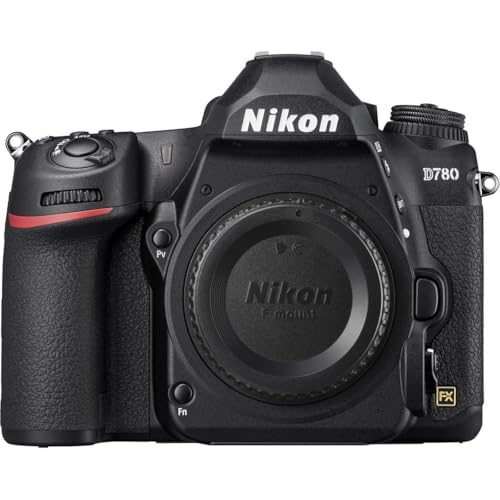
The grip and control layout feel familiar and comfortable for anyone coming from previous Nikon DSLRs, with a robust build that holds up well to regular professional use in varied conditions.
Video and hybrid considerations
Video features are respectable but no longer cutting edge, lacking some of the more advanced tools found on current hybrid mirrorless bodies built specifically around video first workflows.
For photographers who occasionally shoot video alongside stills work, this is rarely a dealbreaker, though dedicated videographers will likely find a mirrorless body better suited to their primary needs.
Who should still consider the D780
Photographers who value DSLR handling, exceptional battery life and dual card slots, but still want modern live view autofocus performance, will find the D780 a genuinely well rounded choice that holds up across demanding shooting days.
Anyone prioritizing the fastest possible autofocus through the viewfinder for sports and action, or who wants the latest video features, is better served by a current generation mirrorless body instead, where the autofocus system has continued to advance.
A bridge between two generations of camera design
In many ways this camera represents a thoughtful bridge between traditional DSLR design and the mirrorless autofocus technology that followed it, giving photographers a way to benefit from some of that progress without fully abandoning the handling they already know well.
For studios and working photographers with an existing collection of Nikon F mount lenses, this body offers a practical way to extend the useful life of that investment while still gaining meaningfully improved autofocus in live view shooting.
Frequently Asked Questions
Yes, it remains a capable, well rounded full frame camera, especially for photographers who value DSLR handling and exceptional battery life.
Live view autofocus is noticeably stronger, borrowing mirrorless style subject tracking, while viewfinder autofocus trails current mirrorless systems.
Video features are respectable but not cutting edge, so dedicated video creators may prefer a more video focused hybrid body.
Yes, dual card slots are included, which adds valuable backup reassurance for professional and important shoots.