Reliability and range
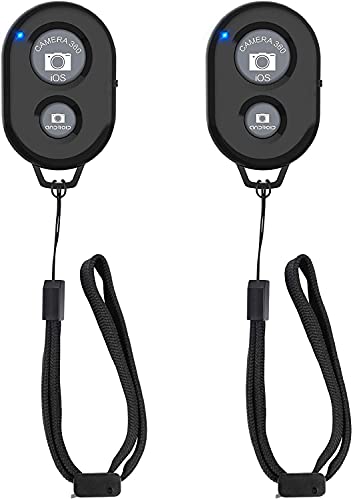
At typical shooting distances, this remote triggers consistently without dropped signals, which is really all most photographers need from a basic wireless release. Long exposure and self portrait work both benefit from not having to touch the camera during the shot.
Range drops off noticeably once walls or significant distance come into play, so photographers shooting from far away or through obstacles should set expectations accordingly rather than expecting flagship level range.
Build and handling
The transmitter is light and simple, with a single trigger button that works exactly as expected without any learning curve. It feels basic in hand compared with pricier remotes, but nothing about it feels unreliable in daily use.
Battery compartments are straightforward to access, and the unit is small enough to toss in a jacket pocket or camera bag side pouch without adding noticeable bulk.
Compatibility across camera bodies
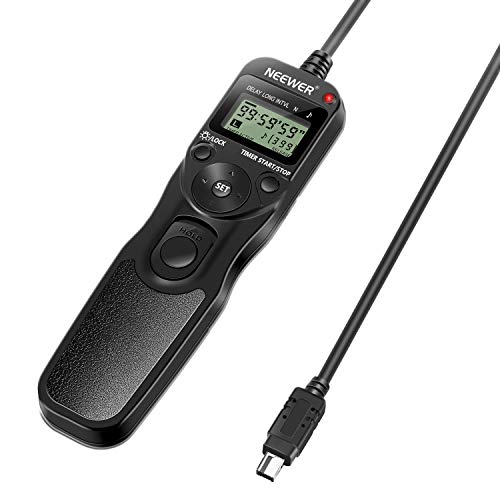
This remote works across a wide range of camera bodies as long as you have the correct connector cable for your specific mount, which makes it a flexible choice for photographers who own multiple camera systems.
Checking connector compatibility before buying is worth doing carefully, since the wrong cable will simply not trigger the camera at all despite the transmitter itself working fine.
What it does not do
Unlike a full intervalometer, this remote does not offer programmable timing sequences for timelapse or bulb exposure counting, so photographers needing those features should look at a more advanced model instead.
For straightforward triggering without a touch to the camera, though, it covers the core use case reliably without unnecessary complexity getting in the way, which is exactly what most buyers are actually looking for when they add a remote to their kit.
Who should buy this remote
Photographers doing long exposure landscapes, group photos or self portraits who just need reliable hands free triggering will find this remote does exactly what is needed at a low cost.
Those planning serious timelapse work or needing programmable exposure sequences should invest in a dedicated intervalometer instead, since this basic remote simply was not built for that level of control. For the simple goal of avoiding camera shake during a bulb exposure or stepping out of frame for a group shot, though, it remains a dependable little accessory worth keeping in any bag.
Frequently Asked Questions
It works with a wide range of camera bodies as long as you use the correct connector cable for your specific mount and model.
It triggers reliably at typical shooting distances but range drops off noticeably through walls or at longer distances.
It lacks programmable timing sequences, so a dedicated intervalometer is a better fit for structured timelapse work.
Yes, its low price and simple operation make it an easy first accessory for photographers who want basic hands free triggering.