Triple-camera system in the field
Having three distinct focal lengths available mid-flight changes how a shoot is planned, since a pilot can capture a wide establishing shot, a natural mid-range framing and a tightly compressed telephoto view without ever landing. For professional aerial work, that flexibility saves real time on location.
The primary camera remains the strongest performer, especially in lower light, while the other two cameras are better suited to well-lit conditions, which is worth planning around when scheduling a shoot around the best available light.
Flight performance and stability
This drone holds position with impressive composure, even when wind conditions would unsettle lighter consumer drones. Smooth cinematic moves, slow reveals and steady tracking shots all benefit from that underlying stability.
Advanced obstacle sensing gives pilots real confidence flying through more cluttered environments like tree lines or built-up areas, though experienced operators still treat it as an assist rather than a substitute for situational awareness.
Build quality and battery endurance
The frame feels reinforced and durable, built to withstand the more frequent use that comes with professional deployment rather than occasional weekend hobby flights. Folding arms and gimbal protection both feel more robust than on lighter consumer drones.
Battery life stretches further per charge than most consumer drones, which matters on paid shoots where repositioning, multiple takes and client direction changes can eat into available flight time quickly.
Practical considerations for travel and transport
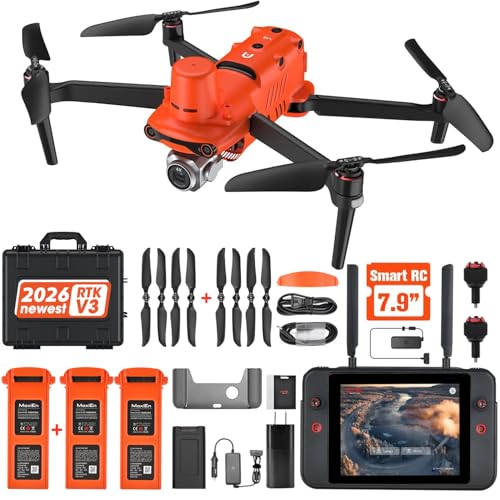
The larger size compared with lighter drones in the same lineup means a dedicated case and more deliberate packing for air travel, and pilots flying commercially should budget extra space and weight allowance accordingly.
Battery and charging logistics also scale up for longer professional days, so most working pilots carry multiple batteries and a reliable charging hub to keep shoots moving without long downtime between flights.
Who should invest in this drone
Professional videographers, photographers and serious enthusiasts who rely on aerial footage as a core part of their output will get the most from the triple-camera flexibility and flagship-level flight stability.
Casual hobbyists who fly occasionally, or who do not need the extended focal length range, are generally better served by a lighter, more affordable drone rather than paying for capability they will rarely use.
Frequently Asked Questions
For pilots who need the extra focal length and the strongest low-light performance from the primary camera, the upgrade is meaningful, though hobbyists who fly casually may find the Air 3 covers their needs at a lower cost and lighter weight.
Pilots can switch between the three focal lengths mid-flight without landing, allowing a wide, a natural and a telephoto framing from the same position.
Yes, the primary camera and overall flight stability are strong enough for professional aerial footage, particularly when shooting in favorable light.
Flight time per charge is extended compared with most consumer drones, giving professional pilots more runway for repositioning and multiple takes during a single flight.