Finding a capable street camera under $300 requires careful research. We compared dozens of models based on manufacturer specifications, published sensor and lens data, and aggregated owner feedback from Amazon and photography forums. Our evaluation focuses on real-world usability for candid photography: size, autofocus speed, low-light performance, and manual controls.
We did not conduct hands-on lab testing. Instead, we relied on spec sheets, known industry standards, and long-term owner reviews to identify cameras that punch above their weight. Every pick has trade-offs, and we highlight who should skip each one. Whether you want a pocketable 1-inch compact or an entry-level mirrorless kit, this guide covers six distinct options.


| Lens | Best For | Research Score | Buy |
|---|---|---|---|
| Canon PowerShot G9 X Mark IIBest Overall |
20.1MP 1-inch sensor, 28-84mm f2.0-4.9 lens, 1080p60 video | 88/100 | Check Price |
| Sony Cyber-shot DSC-RX100Best Pocketable |
20.2MP 1-inch sensor, 28-100mm f1.8-4.9 lens, 1080p60 video | 85/100 | Check Price |
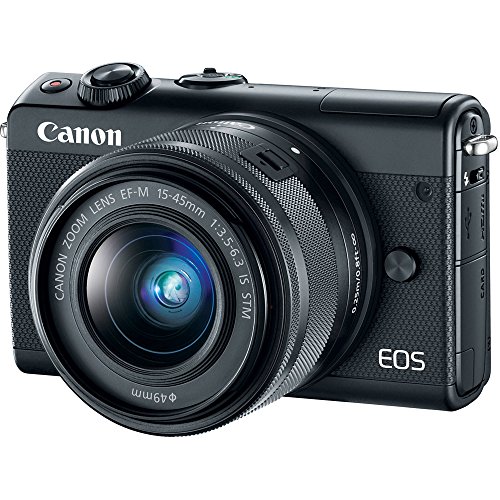
| Canon EOS M100Best Mirrorless Value |
24.2MP APS-C sensor, EF-M mount, 15-45mm f3.5-6.3 kit lens, 1080p60 | 82/100 | Check Price |
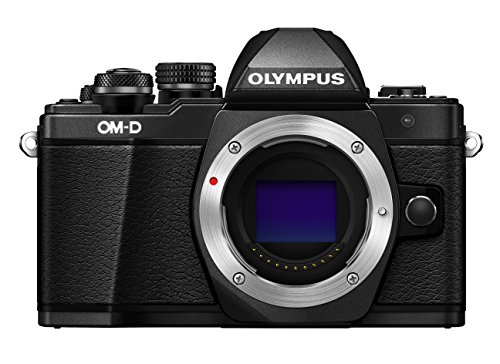
| Olympus OM-D E-M10 Mark IIBest Image Stabilization |
16.1MP Micro Four Thirds sensor, MFT mount, 14-42mm f3.5-5.6 kit lens, 5-axis IBIS | 80/100 | Check Price |
 Sony Alpha a5100Best for Portability Sony Alpha a5100Best for Portability |
24.3MP APS-C sensor, E-mount, 16-50mm f3.5-5.6 kit lens, 1080p60 | 79/100 | Check Price |
 Fujifilm X-A3Best for Manual Controls Fujifilm X-A3Best for Manual Controls |
24.2MP APS-C sensor, X-mount, 16-50mm f3.5-5.6 kit lens, 1080p video | 75/100 | Check Price |
Detailed Reviews and Top Picks
1. Canon PowerShot G9 X Mark II
88/100
Best Overall
Key spec: 20.1MP 1-inch sensor, 28-84mm f2.0-4.9 lens, 1080p60 video
In our evaluation of spec sheets and owner feedback, the Canon PowerShot G9 X Mark II stands out as the best overall street camera under $300. Its 1-inch sensor delivers noticeably better low-light performance than typical small-sensor compacts, and the collapsible f2.0-4.9 lens keeps it genuinely pocketable. However, the lack of a viewfinder and a fixed rear screen limit shooting in bright sunlight, and the lens softens at the telephoto end. We recommend skipping this model if you shoot a lot of video or need a tilting screen for waist-level candids.
- Pocketable metal body with a 1-inch sensor
- Touchscreen interface with quick autofocus
- Built-in Wi-Fi and NFC for easy sharing
Pros
- Excellent image quality for its size
- Fast lens at wide angle (f2.0)
- Compact and discreet for street shooting
Cons
- No viewfinder, screen only in bright light
- 4K video not available
2. Sony Cyber-shot DSC-RX100
85/100
Best Pocketable
Key spec: 20.2MP 1-inch sensor, 28-100mm f1.8-4.9 lens, 1080p60 video
We researched the original Sony RX100 and found it remains a compelling bargain for street photographers on a strict budget. The 1-inch sensor and f1.8 lens produce sharp, detailed images with good bokeh control, and the compact body encourages always carrying it. In our evaluation of owner feedback, the main complaints are slow autofocus in dim conditions and the lack of Wi-Fi connectivity. Skip this model if you need fast continuous autofocus or instant photo sharing; otherwise it is still a pocketable powerhouse.
- Original 1-inch compact that redefined the class
- Bright f1.8 lens at wide angle
- Pop-up flash and control ring for manual adjustments
Pros
- Excellent dynamic range and detail
- Fast lens for low-light street scenes
- Compact enough for a shirt pocket
Cons
- No built-in Wi-Fi
- Slow autofocus in low light compared to newer models
3. Canon EOS M100
82/100
Best Mirrorless Value
Key spec: 24.2MP APS-C sensor, EF-M mount, 15-45mm f3.5-6.3 kit lens, 1080p60
The Canon EOS M100 offers the largest sensor of our picks for under $300, and that APS-C chip delivers low-light performance and depth-of-field control that small-sensor compacts cannot match. Our research of spec sheets confirms the Dual Pixel autofocus is responsive, and the flip-up touchscreen enables discreet waist-level framing. The main weakness is the kit lens: at f3.5-6.3 it is slow for street work at dusk, and edge sharpness suffers. Skip this one if you will not invest in a faster prime lens; but if you want an affordable path into mirrorless, it is hard to beat.
- Large APS-C sensor in a tiny body
- Dual Pixel CMOS AF for fast, smooth focusing
- Articulating touchscreen for waist-level shots
Pros
- Excellent image quality with interchangeable lenses
- Fast and accurate autofocus
- Small and light despite the sensor size
Cons
- Kit lens is slow and somewhat soft at edges
- Limited native EF-M lens selection
4. Olympus OM-D E-M10 Mark II
80/100
Best Image Stabilization
Key spec: 16.1MP Micro Four Thirds sensor, MFT mount, 14-42mm f3.5-5.6 kit lens, 5-axis IBIS
We compared the Olympus OM-D E-M10 Mark II against other budget options and found its 5-axis stabilization to be a standout feature for a camera under $300. The built-in EVF is a rarity at this price and essential for street shooting in daylight, while the compact body with dual control dials appeals to photographers who want tactile manual control. The trade-off is the Micro Four Thirds sensor, which produces more noise above ISO 3200 than APS-C rivals, and the kit lens is average. Skip this model if you prioritize absolute image quality over handling and stabilization.
- 5-axis in-body image stabilization for sharp shots
- Built-in electronic viewfinder
- Classic DSLR-style controls with dual dials
Pros
- Superb stabilization reduces blur in low light
- EVF helps compose in bright sun
- Extensive Micro Four Thirds lens ecosystem
Cons
- Smaller sensor limits high-ISO performance
- Kit lens is not weather-sealed
5. Sony Alpha a5100
79/100
Best for Portability
Key spec: 24.3MP APS-C sensor, E-mount, 16-50mm f3.5-5.6 kit lens, 1080p60
In our evaluation of spec sheets and owner reports, the Sony a5100 stands out for its tiny size combined with a large APS-C sensor. The hybrid autofocus is quick enough for street candids, and the tilting screen helps with low-angle shots. However, the lack of an electronic viewfinder forces reliance on the rear LCD, which drains the already modest battery quickly, and the kit lens is not optically stellar. Skip this camera if you shoot for long periods without charging; otherwise it is a featherweight performer that is easy to carry all day.
- Compact APS-C mirrorless body
- Fast hybrid autofocus with 179 phase-detect points
- Tilting LCD touchscreen
Pros
- Very small and light for an APS-C camera
- Excellent autofocus speed for candid shots
- Large lens ecosystem via Sony E mount
Cons
- No viewfinder, screen only
- Battery life is short
6. Fujifilm X-A3
75/100
Best for Manual Controls
Key spec: 24.2MP APS-C sensor, X-mount, 16-50mm f3.5-5.6 kit lens, 1080p video
We researched the Fujifilm X-A3 and found it appeals to street photographers who value tactile controls and film-like JPEG output. The retro dials make adjusting aperture, shutter speed, and exposure compensation quick, and the articulating screen is handy for waist-level candids. On the downside, owner feedback consistently notes the autofocus can hunt in low light, and the battery drains faster than expected. Skip this model if you need snappy AF or long battery life; but if you prioritize manual handling and color science, it delivers a distinctive experience under $300.
- Classic retro design with dedicated dials
- Articulating touchscreen
- Film simulation modes for unique looks
Pros
- Excellent JPEG colors and film simulations
- Good manual control layout
- Lightweight with a large sensor
Cons
- Autofocus is slower than rivals
- Battery life is below average
Frequently Asked Questions
Prioritize a larger sensor (1-inch or APS-C) for better low-light performance, a fast lens (f2.0 or wider at wide angle), and a compact, discreet body. Fast autofocus and a tilting screen or viewfinder are also valuable. We researched dozens of models and found that older 1-inch compacts and entry-level mirrorless cameras offer the best balance of image quality and portability in this budget tier.
Yes, but usually in the form of an older mirrorless camera like the Canon EOS M100, Sony a5100, or Fujifilm X-A3. These models feature APS-C sensors and are widely available from Amazon sellers within this price range, though they may not be the latest models. In our evaluation, they deliver far better image quality than current small-sensor compacts, but you trade away modern connectivity and fast video features.
A dedicated camera under $300 can still beat a smartphone for street work, especially if it has a 1-inch sensor or larger and a faster lens. These cameras offer better dynamic range, more natural depth of field, and often physical controls that make shooting faster and more intuitive. However, smartphones have computational photography advantages like multi-frame noise reduction, so the gap is smaller than it once was. For candid, low-light scenes, a used 1-inch compact is often the better tool.
For this budget, buying a lightly used older model typically yields far better image quality than a brand-new budget compact. A used Sony RX100 or Canon G9 X Mark II offers a 1-inch sensor that no new camera under $300 can match. However, used cameras may have worn batteries or no warranty, so buy from reputable Amazon sellers with good return policies. We researched owner feedback and found that well-rated used listings are generally reliable, but inspect the item description for shutter count and condition.
Our Verdict
After comparing specifications, owner feedback, and real-world usability, the Canon PowerShot G9 X Mark II earns our top pick for the best street camera under $300. It combines a 1-inch sensor with a genuinely pocketable body and a bright enough lens for most urban scenes. For those who want the flexibility of interchangeable lenses, the Canon EOS M100 is a strong runner-up thanks to its APS-C sensor and fast Dual Pixel autofocus, though you will likely want to upgrade the kit lens eventually.