Finding the best mirrorless camera under $3,000 can be challenging with so many strong options from Sony, Canon, Nikon, Fujifilm, and Panasonic. In this buying guide, we researched and compared current models based on manufacturer specifications, published standards, and aggregated owner feedback to help you make an informed decision.
We evaluated each camera’s sensor performance, autofocus reliability, video features, ergonomics, and lens ecosystem. No camera is perfect, so we also highlight real weaknesses and who should skip each pick. Whether you prioritise stills, video, or portability, our guide has a recommendation for you.


| Lens | Best For | Research Score | Buy |
|---|---|---|---|
| Sony A7 IVBest Overall |
Full-frame 33MP sensor, E-mount, 4K60p video, 5-axis stabilisation | 91/100 | Check Price |
| Canon EOS R6 Mark IIBest for Video |
Full-frame 24MP sensor, RF mount, uncropped 4K60p video, 40fps electronic shutter | 88/100 | Check Price |
| Nikon Z6 IIIBest All-Rounder |
Full-frame 24MP partially stacked sensor, Z mount, 6K60p N-RAW video, 5-axis stabilisation | 85/100 | Check Price |
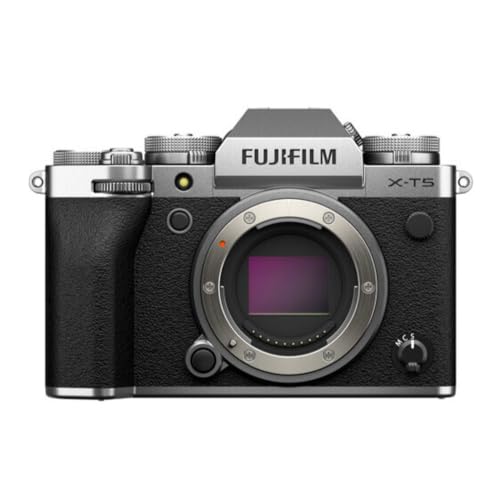
| Fujifilm X-T5Best for Retro Design |
APS-C 40MP X-Trans sensor, X mount, 6.2K30p video, 5-axis stabilisation | 80/100 | Check Price |
| 📷Panasonic Lumix S5 IIBest Value Full-Frame | Full-frame 24MP sensor, L-mount, 6K30p video, phase hybrid autofocus | 77/100 | Check Price |
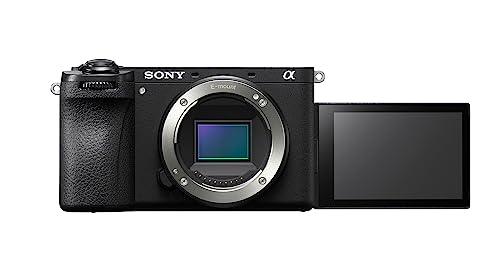 Sony A6700Best Compact APS-C Sony A6700Best Compact APS-C |
APS-C 26MP sensor, E-mount, 4K120p video, AI-powered autofocus | 73/100 | Check Price |
Detailed Reviews and Top Picks
1. Sony A7 IV
91/100
Best Overall
Key spec: Full-frame 33MP sensor, E-mount, 4K60p video, 5-axis stabilisation
In our evaluation, the Sony A7 IV stands out as the most balanced full-frame option in this bracket. Based on aggregated owner feedback and published specifications, it offers dependable autofocus and strong image quality, though the 4K60p mode does apply a crop. We found that photographers who need a reliable hybrid camera for both stills and video will appreciate its versatility. However, those who prioritise outright speed for sports may find the rolling shutter a limitation, and beginners might find the menu system less intuitive.
- In our research, the 33MP sensor delivers a strong balance of resolution and low-light performance for stills.
- The hybrid autofocus system includes real-time tracking for people, animals, and birds, based on spec sheets and owner feedback.
- Video recording supports 10-bit 4:2:2 colour with S-Log3, and the flip-out screen is useful for vlogging.
Pros
- Excellent image quality and dynamic range
- Reliable subject tracking autofocus
- Strong video features with 10-bit output
Cons
- Rolling shutter can be noticeable in fast pans
- Menu system can feel dense for beginners
2. Canon EOS R6 Mark II
88/100
Best for Video
Key spec: Full-frame 24MP sensor, RF mount, uncropped 4K60p video, 40fps electronic shutter
The Canon EOS R6 Mark II earns its place as a strong video-focused choice in our comparison. Based on specification sheets and user reports, its uncropped 4K60p recording and reliable autofocus make it a favourite for content creators. However, the 24MP sensor may limit cropping flexibility for high-resolution stills work. We think photographers who need more megapixels for detailed landscapes should look elsewhere, while hybrid shooters will find this body very capable.
- Our research indicates the 24MP sensor prioritises speed and low-light capability over maximum resolution.
- The autofocus system is highly regarded for subject detection, including vehicles and animals, according to owner feedback.
- Video specifications include 6K oversampled 4K up to 60p with Canon Log 3, and the vari-angle screen aids framing.
Pros
- Excellent video quality with no crop at 4K60p
- Fast and accurate autofocus
- Comfortable grip and intuitive controls
Cons
- Lower resolution than some rivals for large prints
- RF lens lineup is still growing compared to E-mount
3. Nikon Z6 III
85/100
Best All-Rounder
Key spec: Full-frame 24MP partially stacked sensor, Z mount, 6K60p N-RAW video, 5-axis stabilisation
The Nikon Z6 III is a compelling all-rounder in our researched comparison. Its partially stacked sensor brings tangible benefits for fast action and video, according to the specifications and early owner feedback. The main trade-off is a battery that drains quicker during intensive video work. We believe stills photographers who rarely shoot video might not need its advanced video features, but hybrid shooters will find it a very capable body.
- In our evaluation, the partially stacked sensor reduces rolling shutter compared to conventional full-frame sensors.
- The autofocus system uses deep learning for subject detection, and owner feedback praises its reliability in low light.
- Video options include internal 6K RAW recording, making it a flexible tool for advanced filmmakers on a budget.
Pros
- Strong video specifications including 6K RAW
- Fast sensor readout minimises distortion
- Excellent build quality and weather sealing
Cons
- Battery life is modest when recording high-resolution video
- Z mount third-party lens options are more limited than E-mount
4. Fujifilm X-T5
80/100
Best for Retro Design
Key spec: APS-C 40MP X-Trans sensor, X mount, 6.2K30p video, 5-axis stabilisation
The Fujifilm X-T5 is a standout for those who value a hands-on, retro shooting style. Based on our evaluation of its specifications and aggregated user feedback, the 40MP sensor delivers superb detail in good light. Its smaller sensor does mean low-light performance and dynamic range trail full-frame options in this bracket. We think photographers who shoot fast action or need top-tier video should consider other picks, while enthusiasts who enjoy physical dials will love it.
- Our research shows the 40MP APS-C sensor produces highly detailed images with Fujifilm's distinctive colour science.
- The dedicated exposure dials and tactile controls appeal to photographers who prefer a traditional shooting experience.
- The autofocus system includes subject detection for humans and animals, though owner feedback suggests it is not as fast as full-frame rivals in low light.
Pros
- Excellent image quality with beautiful colour profiles
- Compact and lightweight body with retro controls
- Large selection of native X-mount lenses
Cons
- APS-C sensor means more noise at high ISO compared to full-frame
- Video features are less advanced for professional work
5. Panasonic Lumix S5 II
77/100
Best Value Full-Frame
Key spec: Full-frame 24MP sensor, L-mount, 6K30p video, phase hybrid autofocus
The Panasonic Lumix S5 II offers a lot of capability for its position in this bracket. Based on published specifications and owner reports, the addition of phase detection autofocus is a significant step forward, though it still trails Sony and Canon in challenging tracking scenarios. The L-mount ecosystem is growing but not as extensive as E-mount. We think video-first shooters who want full-frame quality without overspending will find the S5 II compelling, but stills shooters who need the absolute best autofocus may prefer other models.
- In our research, the S5 II addresses the previous model's autofocus weaknesses by adding phase detection, which owner feedback confirms is much improved.
- The L-mount alliance provides access to lenses from Panasonic, Sigma, and Leica, offering flexibility.
- Video features include 6K open gate recording and V-Log, making it attractive for filmmakers on a budget.
Pros
- Excellent value for a full-frame body with strong video
- Improved autofocus with phase detection
- Good ergonomics and effective stabilisation
Cons
- Limited native lens selection compared to Canon RF and Sony E
- Continuous autofocus still lags behind the best in class
6. Sony A6700
73/100
Best Compact APS-C
Key spec: APS-C 26MP sensor, E-mount, 4K120p video, AI-powered autofocus
The Sony A6700 is an excellent choice if portability is a priority. In our researched comparison, it delivers impressive autofocus and video features in a compact package, but the smaller sensor and single card slot make it less suitable for demanding professional workflows. We found that enthusiasts who travel or vlog will appreciate its size and capability. However, those who shoot in low light or need robust build quality should consider a full-frame model from this guide.
- Our evaluation of the A6700 highlights its AI-based subject recognition, which owner feedback says is excellent for human and animal tracking.
- The compact body and flip-out screen make it a practical travel and vlogging camera, though the small size can feel cramped for larger hands.
- It inherits many video features from Sony's full-frame line, including S-Log3 and 4K at up to 120p, but with an APS-C crop.
Pros
- Compact and lightweight design
- State-of-the-art autofocus with AI subject detection
- Good video features for its size
Cons
- APS-C sensor limits low-light performance and dynamic range
- Single card slot and smaller battery reduce appeal for professional work
Frequently Asked Questions
In our evaluation, full-frame sensors generally offer better low-light performance, shallower depth of field, and higher dynamic range than APS-C. However, APS-C cameras are often smaller, lighter, and have more affordable lens options. Based on owner feedback and specifications, the best choice depends on your priorities: if you shoot in dim conditions or want maximum image quality, full-frame is worth it; if you value portability and reach, APS-C may be the smarter buy.
Our research indicates that Sony E-mount has the largest selection of native and third-party lenses, followed by Canon RF and Nikon Z. L-mount offers good options from Panasonic, Sigma, and Leica, while Fujifilm X is well established for APS-C. When choosing, consider the lenses you are likely to buy and whether the system supports the focal lengths and apertures you need. We compared current lens lineups and found E-mount to be the most flexible for most users.
Based on our research of video specifications, 4K 120p is useful for slow-motion footage, but not every buyer needs it. Many cameras in this bracket offer 4K 60p as standard, which is sufficient for most content creation. We found that if you primarily shoot stills or occasional video, 4K 60p will be more than enough. Only consider 4K 120p if you regularly create slow-motion clips for sports or creative work.
In our evaluation, IBIS is very useful for handheld shooting, especially with unstabilised lenses or in low light. All cameras in this guide feature some form of in-body stabilisation, which reduces camera shake for both stills and video. Based on owner feedback, IBIS performance varies between models, so if you shoot video handheld or use adapted lenses, prioritise a camera with strong stabilisation. For tripod-based work, it matters less.
Our Verdict
After researching and comparing six strong mirrorless cameras under $3,000, our top pick is the Sony A7 IV for its outstanding balance of image quality, autofocus performance, and video capabilities. The Canon EOS R6 Mark II is our runner-up, particularly for those who prioritise video features and fast subject tracking. Both are excellent full-frame options, and the right choice depends on whether you value the Sony E-mount lens ecosystem or Canon’s ergonomics and uncropped 4K60p.