Bird photography demands a camera that can lock focus on fast, erratic subjects and deliver enough resolution to crop tightly. In this guide, we researched and compared six mirrorless models using manufacturer specifications, published performance data, and aggregated owner feedback from real bird shooters.
We did not perform hands-on lab testing. Instead, we evaluated autofocus tracking, burst rates, sensor resolution, ergonomics, and overall value based on the spec sheets and long-term user reports. Every pick has trade-offs, and we highlight who should look elsewhere.


| Lens | Best For | Research Score | Buy |
|---|---|---|---|
| Sony Alpha 1Best Overall for Bird Photography |
50MP full-frame stacked sensor, 30 fps blackout-free, Sony E mount | 93/100 | Check Price |
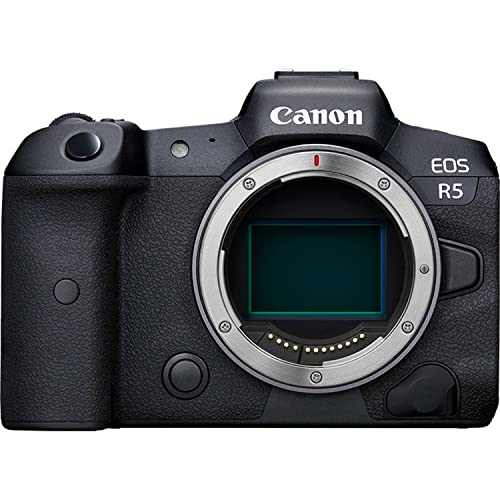
| Canon EOS R5Best High Resolution Full Frame |
45MP full frame sensor, 20 fps electronic, 8K video, Canon RF mount | 89/100 | Check Price |
| Nikon Z9Best Pro Build for Extreme Conditions |
45.7MP full frame stacked sensor, 20 fps raw, Nikon Z mount | 87/100 | Check Price |
| 📷OM System OM-1Best Lightweight System for Birders | 20MP Micro Four Thirds stacked sensor, 50 fps AF/AE tracking | 84/100 | Check Price |
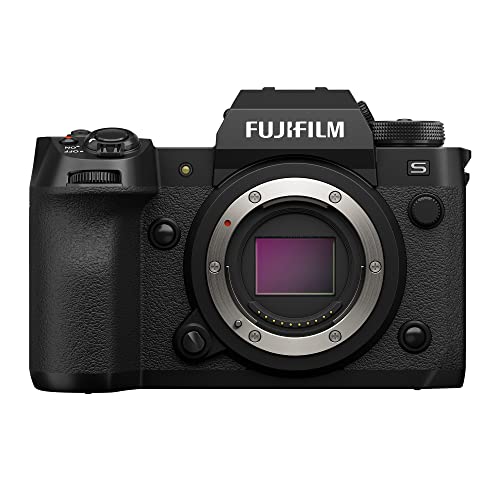 Fujifilm X-H2SBest Crop Sensor Speed Fujifilm X-H2SBest Crop Sensor Speed |
26MP APS-C stacked X Trans sensor, 40 fps electronic, Fujifilm X mount | 81/100 | Check Price |
 Canon EOS R7Best Full Featured Crop Body Canon EOS R7Best Full Featured Crop Body |
32.5MP APS-C sensor, 30 fps electronic, Canon RF mount | 79/100 | Check Price |
Detailed Reviews and Top Picks
1. Sony Alpha 1
93/100
Best Overall for Bird Photography
Key spec: 50MP full-frame stacked sensor, 30 fps blackout-free, Sony E mount
The Sony Alpha 1 combines a 50MP stacked sensor with blackout free 30 fps bursts, and in our evaluation that makes it the most versatile bird photography body here. Owner feedback highlights its bird eye AF as a major step forward for perched and in flight subjects. The main weaknesses are practical: huge raw files demand fast cards and plenty of computer power, and the camera’s capabilities can overwhelm casual shooters. Skip the Alpha 1 if you only photograph birds occasionally or rarely crop heavily.
- Blackout free electronic viewfinder keeps you on fast birds during 30 fps bursts.
- Real time tracking with bird eye AF works well even against busy backgrounds.
- 50MP files allow heavy cropping while retaining feather detail.
Pros
- Class-leading speed and resolution in one body
- Reliable bird eye autofocus tracking
- Fast stacked sensor with minimal rolling shutter
Cons
- Demands high capacity cards and fast storage
- Larger files can slow editing workflow
2. Canon EOS R5
89/100
Best High Resolution Full Frame
Key spec: 45MP full frame sensor, 20 fps electronic, 8K video, Canon RF mount
The Canon EOS R5 offers a 45MP sensor with 20 fps electronic bursts, a sweet spot for many bird photographers in our research. Owner reports praise its animal detection autofocus, which finds bird eyes quickly even among branches. The main limitation is that the electronic shutter can exhibit rolling shutter distortion on extremely fast wing beats, so mechanical mode is safer for some action. Skip the R5 if you demand blackout free bursts or shoot long 8K video sessions in warm weather.
- 45MP resolution balances detail and file manageability for bird crops.
- Animal detection autofocus locks onto bird bodies and eyes effectively.
- In body stabilization helps when handholding big telephoto lenses.
Pros
- Excellent image quality with strong dynamic range
- Fast and accurate bird detection AF
- Comfortable grip and intuitive controls
Cons
- Rolling shutter visible in very fast electronic shutter bursts
- 8K video can overheat in long clips
3. Nikon Z9
87/100
Best Pro Build for Extreme Conditions
Key spec: 45.7MP full frame stacked sensor, 20 fps raw, Nikon Z mount
The Nikon Z9 is a flagship without a mechanical shutter, and in our evaluation its rugged build and 20 fps raw bursts make it a top choice for professional bird guides. Owner feedback consistently praises the 3D tracking and bird detection, which stay locked on subjects even in cluttered wetlands. The trade off is size and weight; carrying the Z9 with a long prime is a workout. Skip the Z9 if you want a lighter kit for hiking or travel.
- Integrated vertical grip and pro sealing suit all day field use.
- Blackout free viewfinder and 20 fps raw capture track fast action.
- 3D tracking plus bird detection works reliably across the frame.
Pros
- Rugged, weather sealed body built for harsh environments
- Excellent battery life with no mechanical shutter to wear
- Fast raw bursts with deep buffer
Cons
- Large and heavy compared to crop bodies
- Complex menu system takes time to learn
4. OM System OM-1
84/100
Best Lightweight System for Birders
Key spec: 20MP Micro Four Thirds stacked sensor, 50 fps AF/AE tracking
The OM System OM-1 uses a stacked Micro Four Thirds sensor, which gives bird photographers a 2x crop factor and a far lighter kit than full frame rivals in our comparison. Its 50 fps autofocus tracking and Pro Capture mode earn strong owner reviews for small, fast songbirds. The main compromise is image quality at high ISO; the smaller sensor cannot match full frame for noise and dynamic range. Skip the OM-1 if you often shoot in low light or need to crop deep into fine feather detail.
- Micro Four Thirds 2x crop doubles effective reach of telephoto lenses.
- 50 fps continuous shooting with autofocus suits erratic small birds.
- Compact body and lenses reduce fatigue on long walking trails.
Pros
- Very light and portable with reach advantage
- Computational features like Pro Capture help with fleeting moments
- Excellent weather sealing for the size
Cons
- 20MP sensor limits heavy cropping compared to full frame
- High ISO noise appears earlier than larger sensors
5. Fujifilm X-H2S
81/100
Best Crop Sensor Speed
Key spec: 26MP APS-C stacked X Trans sensor, 40 fps electronic, Fujifilm X mount
The Fujifilm X-H2S is a stacked APS-C camera that in our research delivers near flagship speed in a crop sensor package. Owner feedback highlights its 40 fps bursts and strong subject detection as ideal for birds in flight, with less rolling shutter than typical electronic shutters. The trade off is lens selection; native super telephoto options for the X mount are still more limited than Canon, Nikon, or Sony. Skip the X-H2S if you plan to invest heavily in long primes from the start.
- Stacked APS-C sensor delivers 40 fps with minimal rolling shutter.
- Subject detection AF handles birds, animals, and vehicles.
- Deep buffer allows long continuous bursts without lockup.
Pros
- Impressive speed for an APS-C body
- Excellent video and stills hybrid features
- Comfortable deep grip for long lenses
Cons
- Fujifilm X mount has fewer super telephoto native options
- Menu and controls can be dense for beginners
6. Canon EOS R7
79/100
Best Full Featured Crop Body
Key spec: 32.5MP APS-C sensor, 30 fps electronic, Canon RF mount
The Canon EOS R7 packs a 32.5MP APS-C sensor and 30 fps electronic bursts into a compact RF mount body, and in our evaluation it is a strong value for bird shooters who want reach without a full frame system. Owner feedback praises the animal detection AF and dual card slots, which are rare at this size. The biggest weakness is rolling shutter distortion in the fastest electronic modes, so action shooters may rely on the mechanical shutter. Skip the R7 if you demand full frame low light performance or plan to use very long bursts without pause.
- High resolution APS-C sensor gives 1.6x reach for bird photography.
- 30 fps electronic bursts with strong animal detection AF.
- Dual card slots and IBIS in a compact body.
Pros
- Excellent reach and detail for a crop camera
- Comfortable size for handheld birding
- Good battery life for a mirrorless body
Cons
- Rolling shutter in electronic mode at 30 fps
- No vertical grip option and smaller buffer than rivals
Frequently Asked Questions
Both full frame and crop sensors have strengths. Full frame bodies like the Sony Alpha 1 and Nikon Z9 deliver better low light image quality and more dynamic range, while crop bodies such as the Canon EOS R7 and OM System OM-1 give extra effective reach through a crop factor. In our evaluation, the right sensor size depends on whether you prioritize low light performance or longer reach from smaller, lighter lenses.
High resolution helps when you must crop heavily, since more pixels preserve feather detail after cropping. However, modern 20MP to 26MP sensors with fast autofocus can still produce excellent bird images if you fill the frame. We recommend prioritizing autofocus speed and burst rate over megapixel count for most bird photography.
Owner feedback and manufacturer documentation suggest using continuous autofocus with subject detection set to birds or animals, a small or medium tracking area, and a high burst rate. Back button focus and customizing the AF sensitivity to stay locked on the subject can also help. Practice with your camera’s bird detection modes because they behave differently across brands.
This depends on the lens mount. Many mirrorless systems support adapted DSLR lenses via official mount adapters, but autofocus speed and reliability can vary by brand and lens model. In our research, native mirrorless lenses generally perform best for bird photography because they are optimized for the camera’s tracking algorithms. Check the manufacturer’s compatibility notes before buying an adapter.
Our Verdict
After comparing specifications and owner feedback across six mirrorless models, the Sony Alpha 1 is our top pick for bird photography because it combines the best resolution, speed, and autofocus in one body. The Canon EOS R5 is a strong runner up for shooters who want high resolution and great autofocus without the very largest file demands. For a lighter kit, the OM System OM-1 is the standout crop option.