The Sony A7 III remains a hugely popular full-frame camera, and its 24-megapixel sensor is forgiving enough that you do not need the most expensive glass to get great results. That makes it a perfect body for building a value-focused kit.
We compared affordable zooms and primes from Sony and third parties, weighing sharpness, autofocus, and how each lens balances performance against price.


| Lens | Best For | Research Score | Buy |
|---|---|---|---|
| Tamron 28-75mm f/2.8 Di III VXD G2Best Overall |
Full-frame E-mount standard zoom, constant f/2.8. | 89/100 | Check Price |
| Sony FE 24-105mm f/4 G OSSBest All-Rounder |
Full-frame E-mount walk-around zoom, constant f/4, stabilized. | 86/100 | Check Price |
| Sony FE 85mm f/1.8Best Portrait |
Full-frame E-mount short telephoto prime, f/1.8. | 85/100 | Check Price |
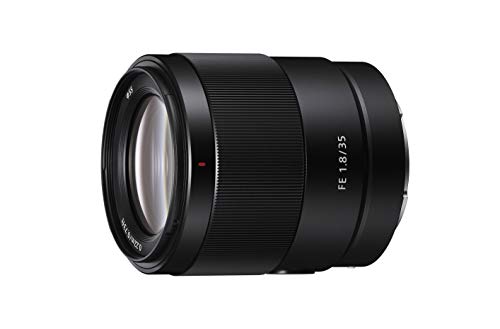
| Sony FE 35mm f/1.8Best for Everyday |
Full-frame E-mount wide prime, f/1.8. | 82/100 | Check Price |
 Sigma 24-70mm f/2.8 DG DN ArtBest for Video Sigma 24-70mm f/2.8 DG DN ArtBest for Video |
Full-frame E-mount standard zoom, constant f/2.8. | 80/100 | Check Price |
 Sony FE 50mm f/1.8Best Budget Prime Sony FE 50mm f/1.8Best Budget Prime |
Full-frame E-mount standard prime, f/1.8. | 74/100 | Check Price |
Detailed Reviews and Top Picks
1. Tamron 28-75mm f/2.8 Di III VXD G2
89/100
Best Overall
Key spec: Full-frame E-mount standard zoom, constant f/2.8.
This Tamron is the smartest standard zoom for the A7 III, delivering fast f/2.8 performance and real sharpness for a fraction of a G Master. It is a superb everyday and events lens. It begins at 28mm rather than 24mm, so photographers who shoot tight interiors or sweeping landscapes may miss those extra millimeters.
- Close to premium sharpness for less
- Quick VXD focus motor
- Light and travel-friendly
Pros
- Excellent value for a fast zoom
- Sharp and reliable
- Handy close focus
Cons
- Starts at 28mm, not 24mm
- Build is less premium than native glass
2. Sony FE 24-105mm f/4 G OSS
86/100
Best All-Rounder
Key spec: Full-frame E-mount walk-around zoom, constant f/4, stabilized.
If you want one lens for the A7 III, this 24-105mm covers wide to portrait reach with stabilization and G-series sharpness. It is the natural travel and everyday choice. The constant f/4 aperture keeps it light but limits subject separation, so pair it with a fast prime when you want more background blur.
- Wide to short-telephoto range
- Optical stabilization
- Sharp G-series optics
Pros
- Versatile single-lens option
- Great for travel and video
- Consistent sharpness
Cons
- f/4 limits background blur
- Larger than a prime
3. Sony FE 85mm f/1.8
85/100
Best Portrait
Key spec: Full-frame E-mount short telephoto prime, f/1.8.
This 85mm is the easiest way to get classic portrait rendering from the A7 III without spending on a GM prime, with lovely skin tones and background falloff. It stays light enough to bring along. You may spot a little color fringing on high-contrast edges wide open, which perfectionists can address in editing.
- Flattering portrait perspective
- Smooth background blur
- Light enough to carry all day
Pros
- Excellent value for a portrait prime
- Sharp wide open
- Fast eye-detect focus
Cons
- Some color fringing wide open
- No stabilization
4. Sony FE 35mm f/1.8
82/100
Best for Everyday
Key spec: Full-frame E-mount wide prime, f/1.8.
A 35mm prime is the natural single-lens companion for the A7 III, and this one is compact, quick to focus, and bright enough for evenings out. It is the lens to grab for travel and street. Landscape shooters who scrutinize the extreme corners at f/1.8 will notice some softening, though stopping down cleans it up.
- Versatile 35mm view
- Compact and discreet
- Quick, near-silent focus
Pros
- Great everyday and travel focal length
- Small footprint for candid work
- Solid low-light ability
Cons
- Corners soften slightly wide open
- Not weather sealed to pro standards
5. Sigma 24-70mm f/2.8 DG DN Art
80/100
Best for Video
Key spec: Full-frame E-mount standard zoom, constant f/2.8.
Sigma packs a lot of glass into this Art zoom, and it gives the A7 III a full 24mm wide end with strong sharpness for a fair price. It is a capable one-lens rig for hybrid shooters. It is heavier than the Tamron and shows more focus breathing, so those who prize a light kit may prefer the smaller option.
- Robust, high-detail optics
- Full 24mm wide end
- Well suited to hybrid shooters
Pros
- Excellent sharpness for the price
- True 24mm coverage
- Solid weather sealing
Cons
- Heavier than the Tamron
- More focus breathing than premium rivals
6. Sony FE 50mm f/1.8
74/100
Best Budget Prime
Key spec: Full-frame E-mount standard prime, f/1.8.
This 50mm is the cheapest route to a bright prime on the A7 III, and it delivers pleasant background blur when stopped down slightly. It is a fine budget starter. Its autofocus is slow and audible and it is soft wide open, so anyone who values speed and sharpness should stretch to the Sigma 45mm or a used prime instead.
- Bright aperture for low light
- Very affordable
- Small and light
Pros
- Cheapest way to a bright prime
- Nice background blur for the price
- Pocketable
Cons
- Slow, noisy autofocus
- Soft wide open
Frequently Asked Questions
The Tamron 28-75mm f/2.8 G2 is the best value standard zoom, offering fast-aperture performance close to premium lenses for far less. It is the lens most A7 III owners should start with.
No. The 24-megapixel sensor is forgiving, so value zooms and primes from Tamron, Sigma, and Sony perform very well. You can build an excellent kit without G Master prices.
The Sony FE 85mm f/1.8 gives flattering perspective and smooth background blur at a friendly price. For a wider look that includes some background, an 85mm can be paired with a 35mm prime.
It is the cheapest bright prime, but its slow, noisy autofocus and soft wide-open results hold it back. If you can, the Sigma 45mm f/2.8 or a used prime offers a better experience.
Our Verdict
The Tamron 28-75mm f/2.8 G2 is our top pick for the A7 III thanks to its fast aperture, sharpness, and value, while the Sony FE 24-105mm f/4 G OSS is the runner up and the best single lens for travel and everyday shooting.