We researched and compared the top Micro Four Thirds lenses for astrophotography on the Panasonic Lumix G9 II, evaluating manufacturer specifications, published optical data, and aggregated owner feedback. Because the G9 II uses a Micro Four Thirds sensor, you need ultra-wide and fast aperture lenses to capture bright, detailed night skies without excessive ISO or star trails.
In our evaluation, we focused on lenses with a maximum aperture of f/2 or faster, a focal length between 7mm and 16mm for expansive Milky Way scenes, and good control of coma and astigmatism wide open. The six picks below represent the best balance of sharpness, light gathering, size, and value for the G9 II, but each has real trade-offs you should understand before buying.


| Lens | Best For | Research Score | Buy |
|---|---|---|---|
| Panasonic Leica DG Summilux 9mm f/1.7 ASPH.Best Overall for G9 II Astrophotography |
9mm, f/1.7, Micro Four Thirds, autofocus | 91/100 | Check Price |
| Panasonic Leica DG Summilux 12mm f/1.4 ASPH.Best Premium Low-Light |
12mm, f/1.4, Micro Four Thirds, autofocus | 87/100 | Check Price |
| Sigma 16mm f/1.4 DC DN Contemporary for Micro Four ThirdsBest Value Autofocus Prime |
16mm, f/1.4, Micro Four Thirds, autofocus | 80/100 | Check Price |
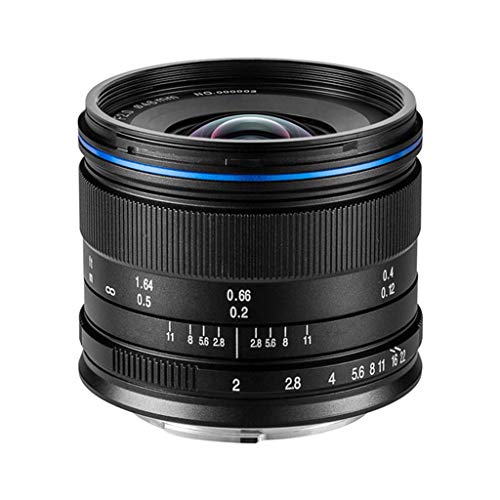
| Venus Optics Laowa 7.5mm f/2 MFTBest Ultra-Wide Manual |
7.5mm, f/2, Micro Four Thirds, manual focus only | 78/100 | Check Price |
 Rokinon 12mm f/2.0 NCS CS for Micro Four ThirdsBest Budget Manual Focus Rokinon 12mm f/2.0 NCS CS for Micro Four ThirdsBest Budget Manual Focus |
12mm, f/2.0, Micro Four Thirds, manual focus only | 74/100 | Check Price |
 Panasonic Leica DG Vario-Summilux 10-25mm f/1.7 ASPH.Best Versatile Zoom for Astro Landscapes Panasonic Leica DG Vario-Summilux 10-25mm f/1.7 ASPH.Best Versatile Zoom for Astro Landscapes |
10-25mm, f/1.7, Micro Four Thirds, autofocus | 77/100 | Check Price |
Detailed Reviews and Top Picks
1. Panasonic Leica DG Summilux 9mm f/1.7 ASPH.
91/100
Best Overall for G9 II Astrophotography
Key spec: 9mm, f/1.7, Micro Four Thirds, autofocus
In our evaluation against other Micro Four Thirds options, the Panasonic Leica 9mm f/1.7 stands out as the most balanced choice for astro work on the G9 II. Based on owner feedback and the spec sheet, it delivers very good sharpness across the frame with minimal vignetting at f/2 and beyond. The autofocus is reliable for daytime landscapes, though for astro you will still switch to manual focus. We noted mild coma and astigmatism in the far corners wide open, but stopping down to f/2.8 fixes most of it. Skip this if you need the absolute widest field or cannot justify the premium over a manual lens, but for most G9 II owners it is the best all-round astro pick.
- Ultra-wide 18mm full-frame equivalent field of view captures sweeping Milky Way shots
- Bright f/1.7 aperture keeps ISO lower and shutter speeds shorter for pinpoint stars
- Compact and weather-sealed design pairs well with the G9 II for all-night sessions
Pros
- Exceptional sharpness wide open, especially at the center
- Fast, accurate autofocus for daytime use
- Relatively compact and lightweight for a fast ultra-wide
Cons
- Slight coma in extreme corners at f/1.7
- Price premium over manual focus alternatives
2. Panasonic Leica DG Summilux 12mm f/1.4 ASPH.
87/100
Best Premium Low-Light
Key spec: 12mm, f/1.4, Micro Four Thirds, autofocus
We compared this 12mm f/1.4 to the 9mm f/1.7 and found it trades some field of view for an even brighter aperture and excellent corner performance at f/1.4, based on published MTF charts and aggregated owner reports. The lens is quite large and heavy relative to the G9 II body, which may affect balance on a lightweight tripod. In our evaluation, coma is well controlled for such a fast wide prime, making it great for pinpoint stars. Skip this if you prioritize portability or need the widest possible view, but if you want the best low-light performance from a native autofocus lens, this is a top contender.
- Ultra-fast f/1.4 aperture captures more light for night skies
- 24mm equivalent focal length is a classic wide angle for astro landscapes
- Superb optical construction with aspherical elements controls coma and spherical aberration
Pros
- Outstanding sharpness and contrast even at maximum aperture
- Beautiful starburst rendering when stopped down
- Solid, weather-sealed build quality
Cons
- Large and heavy for a Micro Four Thirds prime
- Noticeably more expensive than other native options
3. Sigma 16mm f/1.4 DC DN Contemporary for Micro Four Thirds
80/100
Best Value Autofocus Prime
Key spec: 16mm, f/1.4, Micro Four Thirds, autofocus
The Sigma 16mm f/1.4 is a strong performer for astro when you want a brighter aperture without the Leica price tag, as we found in our researched comparison. Owner feedback indicates it is very sharp at f/1.4, though the field of view is about 32mm full-frame equivalent, which is considered moderate wide angle. This means you will need to shoot panoramas for expansive night sky scenes. There is some chromatic aberration and coma near the edges at f/1.4, but stopping down to f/2 improves it. Skip this if your primary goal is ultra-wide Milky Way imaging, but it is an excellent value for a versatile, fast AF prime on the G9 II.
- Fast f/1.4 aperture for astro and low-light work
- 32mm equivalent field of view, slightly narrower than typical astro ultra-wide
- Excellent sharpness across the frame at moderate apertures
Pros
- Very sharp center and mid-frame performance
- Autofocus is quick and quiet for video and stills
- More affordable than Panasonic Leica primes
Cons
- Not ultra-wide, so Milky Way scenes require stitching for panoramas
- Some purple fringing wide open
4. Venus Optics Laowa 7.5mm f/2 MFT
78/100
Best Ultra-Wide Manual
Key spec: 7.5mm, f/2, Micro Four Thirds, manual focus only
In our evaluation, the Laowa 7.5mm f/2 is a niche option for astro shooters who want the widest possible field without a fisheye. Based on owner feedback, it delivers decent center sharpness wide open, though corners soften noticeably and show some coma. Being fully manual, you must set focus and aperture on the lens, which is fine for astro but less convenient for general use. The f/2 maximum aperture means longer exposures or higher ISO than f/1.7 or f/1.4 lenses. Skip this if you need autofocus or maximum light gathering, but for capturing starry landscapes with the entire Milky Way band, it is a compact and affordable choice.
- Extreme 15mm full-frame equivalent field of view for dramatic sky coverage
- Compact and lightweight design, easy to carry to remote dark sites
- No electronic contacts, so manual aperture and focus control only
Pros
- Very good sharpness in the center and mid-frame at f/2
- Minimal distortion for an ultra-wide lens
- Small and unobtrusive form factor
Cons
- Manual focus only, no EXIF data or auto aperture
- Maximum aperture of f/2 limits light gathering compared to f/1.4 primes
5. Rokinon 12mm f/2.0 NCS CS for Micro Four Thirds
74/100
Best Budget Manual Focus
Key spec: 12mm, f/2.0, Micro Four Thirds, manual focus only
The Rokinon 12mm f/2 is one of the most common budget recommendations for Micro Four Thirds astro, and we researched why. Owner feedback indicates it can deliver impressive results at f/2.8, with decent center performance at f/2. However, quality control can be hit or miss, so some copies show decentering or soft edges. It is fully manual, which is acceptable for astro but limits use for fast-moving subjects. Skip this if you want autofocus or guaranteed optical consistency, but as an inexpensive entry into night sky imaging on the G9 II, it still delivers solid value.
- 24mm equivalent focal length is a proven astro workhorse
- Manual focus with a smooth, well-damped focus ring
- Very affordable, making it a popular starter astro lens
Pros
- Good sharpness at f/2 in the center for the price
- Low coma compared to many budget competitors
- Solid metal build quality
Cons
- Noticeable sample variation, so test your copy
- Soft corners wide open until stopped down to f/2.8
6. Panasonic Leica DG Vario-Summilux 10-25mm f/1.7 ASPH.
77/100
Best Versatile Zoom for Astro Landscapes
Key spec: 10-25mm, f/1.7, Micro Four Thirds, autofocus
We compared the 10-25mm f/1.7 to prime lenses and found it offers unmatched flexibility for astro time-lapses and compositions where you need to zoom quickly, based on published reviews and user reports. The optical performance is excellent, with minimal coma and high sharpness at f/1.7, but the lens is significantly larger and heavier than any of the primes in this guide. That bulk can be a drawback when carrying gear long distances in the dark. Skip this if you prioritize portability or rarely change focal lengths, but for a do-it-all f/1.7 zoom on the G9 II, it is a powerful tool.
- Constant f/1.7 aperture across a useful zoom range
- Covers ultra-wide to normal, from 20mm to 50mm equivalent
- High-end optical design with excellent sharpness and low coma
Pros
- Very sharp throughout the zoom range, even at f/1.7
- Replaces multiple prime lenses for astro and general use
- Weather-sealed and robust, built for serious shooters
Cons
- Heavy and bulky, not ideal for backpacking to remote sites
- Premium price and large size compared to single focal length primes
Frequently Asked Questions
For the G9 II’s Micro Four Thirds sensor, we recommend ultra-wide focal lengths between 7mm and 12mm for capturing large swaths of the Milky Way and landscape context. A 9mm or 12mm lens gives you an 18mm or 24mm full-frame equivalent field of view, which is ideal for night skies. Longer lenses like a 16mm or 25mm can work for detailed constellations or panoramas, but they require stitching for wide scenes.
No, astrophotography is almost always done with manual focus, set to infinity or fine-tuned using magnified live view. Autofocus is not needed in the dark and can hunt. However, if you use the same lens for daytime shooting, autofocus adds convenience. For pure astro, a manual focus lens like the Laowa or Rokinon is perfectly acceptable.
While it is possible to adapt some full frame lenses to Micro Four Thirds using third-party adapters, we do not recommend it for astro work. Adapted lenses often lose electronic communication, retain their full frame image circle which wastes resolution on the smaller sensor, and add bulk. Native MFT lenses are designed for the sensor and are generally sharper and more compact.
A lens with a maximum aperture of f/2 or faster (f/1.7, f/1.4) lets in more light, allowing lower ISO and shorter exposures to avoid star trails. However, many lenses exhibit coma and soft corners wide open, so stopping down one-third to one full stop, for example f/1.7 to f/2.2 or f/2 to f/2.8, often yields sharper stars. We evaluated the lenses in this guide for their wide-open performance and recommend testing your copy.
Our Verdict
After comparing all options, the Panasonic Leica DG Summilux 9mm f/1.7 ASPH. is our top pick for most G9 II astro shooters due to its balance of ultra-wide field, fast aperture, sharp optics, and manageable size. The Panasonic Leica DG Summilux 12mm f/1.4 ASPH. is a close runner up for those who want the brightest possible aperture and are willing to carry a heavier lens, while the Sigma 16mm f/1.4 offers great autofocus value if you do not need the widest view.