Travel photography usually covers more variety in a single trip than any other genre, from architecture and street scenes to food, landscapes, and distant landmarks, which is why the best focal length for travel is generally a versatile range rather than one fixed number.
Why Versatility Matters More Than Reach
A single day of travel photography might include a wide interior, a candid street portrait, a distant view of a landmark, and a close-up of food, all without time to switch lenses between moments. Prioritizing a range that handles most of these situations tends to matter more than maximizing reach at either end.
The Case for a Standard Zoom (24-70mm)
A 24-70mm style range covers the majority of everyday travel scenes, from moderately wide architecture and street shots to short telephoto portraits, without needing a lens change. This is why it is one of the most commonly recommended single-lens travel options.
When Wider Helps (16-24mm)
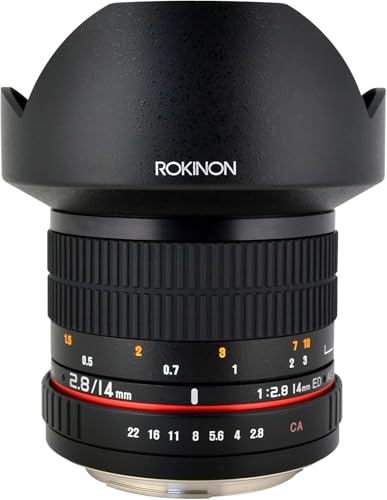
Tight interiors, narrow streets, and dramatic landscape compositions often benefit from a wider focal length than a standard zoom provides at its shortest end, especially in cities with cramped architecture or expansive natural scenery.
When Longer Helps (70-200mm and Beyond)
Wildlife safaris, distant landmarks that cannot be approached, and candid street photography from a comfortable distance all benefit from extra reach beyond a standard zoom’s range.
Single Lens vs Multi-Lens Kit for Travel
Carrying one versatile zoom keeps pack weight and lens-changing time down, which matters when moving through crowds or unfamiliar environments. Carrying two or three lenses covering wider and longer ranges adds capability at the cost of extra bulk, and the right balance usually depends on how much gear you are willing to carry for an entire trip.
Recommended Lens

24-70mm Travel Zoom Lens