Full body portraits generally work best around 50-85mm, provided there is enough physical distance between camera and subject, since fitting a whole person in frame from too close with a shorter lens can distort body proportions.
Why Distance Matters More Here Than for Headshots
A full body portrait naturally requires more working distance than a headshot just to fit the entire subject in frame, and that extra distance is actually beneficial, since it keeps proportions looking natural the same way distance helps with facial compression in closer portraits.
The Risk of Shooting Too Close With a Wide Lens
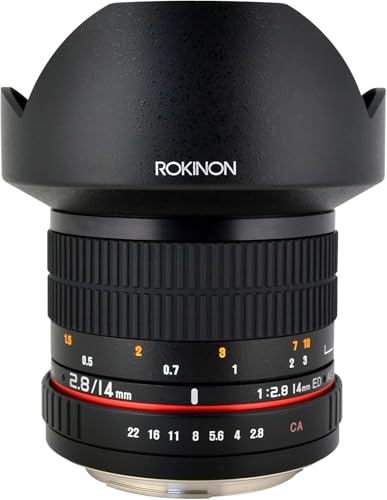
In a tight space, it can be tempting to switch to a wider lens to fit a full body in frame without moving back, but this often exaggerates whichever body part is closest to the lens, commonly making feet or hands look larger than they should.
Indoor Space Constraints
Full body portraits taken indoors are often limited by available room length rather than lens choice, and a shorter focal length like 35-50mm may be a practical necessity in a small studio even though a longer lens would be optically preferable.
Outdoor Full-Body Portraits
With more room to work outdoors, an 85mm or similar focal length becomes easier to use for full body portraits, producing the same flattering compression associated with closer portrait work while still including the entire figure.
Recommended Lens

85mm Portrait Lens