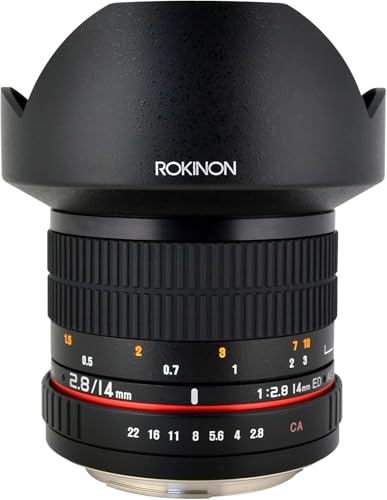
Architecture photography usually calls for a wide-angle lens in the 16-35mm range to capture a building’s full facade or scale, though going wide introduces its own challenge: converging vertical lines that need careful handling.
Why Wide-Angle Dominates Architecture Work
Large buildings often cannot be captured in full from a normal viewing distance, especially in dense urban environments, which makes a wide-angle lens necessary simply to fit an entire structure in frame.
The Converging Vertical Lines Problem
Tilting a wide-angle lens upward to capture a tall building makes its vertical lines appear to lean inward toward the top of the frame, an effect that becomes more pronounced the wider the lens and the more extreme the upward tilt.
Correcting Perspective With a Tilt-Shift Lens or Software
A tilt-shift lens can shift its optical elements to keep vertical lines straight without tilting the camera at all, which is why they remain popular among dedicated architecture photographers. Perspective correction in editing software offers a more accessible alternative, straightening lines after the fact at some cost to the edges of the frame.
When a Standard Lens Suits Architecture Better
Detail shots of facades, textures, or specific architectural features often benefit from a standard to short telephoto lens, which avoids the distortion of a wide-angle lens entirely for compositions that do not need to capture an entire structure.
Recommended Lens

16-35mm Wide-Angle Lens