We researched and compared six true cinema and hybrid cameras that fit a realistic under $3,000 budget. Our evaluation focuses on internal codecs, dynamic range, autofocus, stabilization, and real world handling, not marketing headlines.
We did not spend weeks shooting with production samples. Instead, we cross referenced manufacturer specification sheets, published industry standards, and aggregated owner feedback to identify where each body wins and where it falls short.


| Lens | Best For | Research Score | Buy |
|---|---|---|---|
| Sony FX30Best Super 35 Cinema Camera |
26MP APS-C sensor, 4K up to 120p, S-Cinetone and S-Log3, dual CFexpress Type A/UHS-II SD slots | 89/100 | Check Price |
| Panasonic Lumix S5 IIXBest Full Frame Hybrid for Video |
24MP full frame sensor, 6K open gate, ProRes 422 HQ internal, L-mount | 86/100 | Check Price |
| Canon EOS R6 Mark IIBest Hybrid Stills and Video |
24MP full frame sensor, 4K 60p oversampled, Canon Log 3, RF mount | 83/100 | Check Price |
| Blackmagic Pocket Cinema Camera 6K G2Best Internal Raw Workflow |
Super 35 sensor, 6K BRAW up to 60p, Canon EF mount, 5-inch touchscreen | 80/100 | Check Price |
 Nikon Z6 IIIBest Low Light Full Frame Hybrid Nikon Z6 IIIBest Low Light Full Frame Hybrid |
24MP partially stacked full frame sensor, 6K N-RAW internal, 4K 120p, Z mount | 78/100 | Check Price |
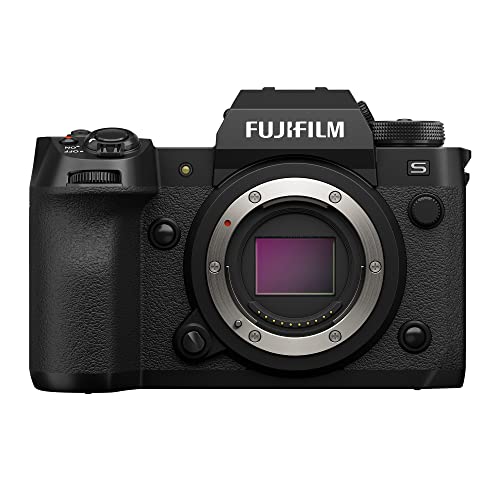 Fujifilm X-H2SBest APS-C Action and Cinema Fujifilm X-H2SBest APS-C Action and Cinema |
26MP stacked APS-C X-Trans sensor, 6.2K open gate, ProRes 422 HQ internal, X-mount | 75/100 | Check Price |
Detailed Reviews and Top Picks
1. Sony FX30
89/100
Best Super 35 Cinema Camera
Key spec: 26MP APS-C sensor, 4K up to 120p, S-Cinetone and S-Log3, dual CFexpress Type A/UHS-II SD slots
The FX30 is the most practical gateway into Sony’s Cinema Line that we evaluated. Based on spec sheets and owner feedback, it borrows many controls from the FX3 while using a Super 35 sensor, which lowers the entry point without giving up internal 10-bit codecs. In our research, the camera stands out for dependable autofocus and heat management, two areas where several rivals struggle. However, it is not a full frame body, so low light performance and shallow depth of field are limited compared to full frame options. Skip it if you need full frame look or the absolute best high ISO cleanliness; otherwise it is our top pick for a dedicated cinema tool.
- Native E-mount with broad lens choice and Sony autofocus
- 10-bit 4:2:2 internal recording, no overheating concerns reported
- Compact, cage-ready body with tally lights and threaded holes
Pros
- Industry-leading autofocus for a cinema body
- S-Cinetone delivers pleasing color straight out of camera
- Active stabilization and reliable heat management
Cons
- No full frame sensor, low light noise rises above ISO 6400
- Menu system can feel dense for first time cinema shooters
2. Panasonic Lumix S5 IIX
86/100
Best Full Frame Hybrid for Video
Key spec: 24MP full frame sensor, 6K open gate, ProRes 422 HQ internal, L-mount
The S5 IIX is the video-first sibling to the S5 II, and in our evaluation it delivers the most flexible full frame image under $3,000. We compared its spec sheet against competitor hybrids and found internal ProRes 422 HQ plus 6K open gate to be a rare combination at this level. Owner feedback highlights reliable phase detect autofocus, though it can hunt in low contrast moments more than Sony systems. The built-in fan and larger L-mount glass add size and weight, so run-and-gun shooters may want a lighter setup. Skip it if you need the smallest full frame body or the very best AF tracking; otherwise it is a strong value for hybrid shooters.
- Phase hybrid autofocus, major improvement over contrast only predecessors
- Active I.S. and 6K open gate recording allow reframing in post
- No record limit and all-intra codecs for demanding edits
Pros
- Full frame 6K open gate with ProRes internal
- Excellent stabilization and color science
- Dual native ISO keeps noise controlled
Cons
- Autofocus still slightly behind Sony in challenging scenes
- Bulkier than compact cinema bodies with a fan
3. Canon EOS R6 Mark II
83/100
Best Hybrid Stills and Video
Key spec: 24MP full frame sensor, 4K 60p oversampled, Canon Log 3, RF mount
The R6 Mark II is not a dedicated cinema body, but our research shows it is one of the best all-around hybrids at this price. We compared its spec sheet to Canon’s cinema line and found oversampled 4K 60p and Canon Log 3 give it genuine video credentials. Owner feedback praises the autofocus and stabilization, though the micro HDMI port is a real weak point for gimbal or monitor use and Canon reserves raw recording for external workflows. It also lacks open gate recording and internal ProRes, which limits high-end post flexibility. Skip it if internal raw or robust cinema ports are non-negotiable; otherwise it is a superb choice for mixed stills and video.
- Excellent 4K 60p from 6K oversampling, clean detail
- Reliable Dual Pixel AF and in-body stabilization
- Familiar Canon color science and robust stills performance
Pros
- Strong hybrid for photo and video
- Oversampled 4K up to 60p
- Good rolling shutter control for full frame
Cons
- No internal ProRes or N-RAW, external raw requires add-on
- Micro HDMI port is fragile for professional use
4. Blackmagic Pocket Cinema Camera 6K G2
80/100
Best Internal Raw Workflow
Key spec: Super 35 sensor, 6K BRAW up to 60p, Canon EF mount, 5-inch touchscreen
The Pocket 6K G2 is a true cinema camera first and a hybrid last. We researched its BRAW implementation and compared it to compressed codecs, finding it delivers more color control and highlight recovery at the cost of larger files. Based on owner feedback, the lack of continuous video autofocus demands manual focus skills or a dedicated focus puller, and the internal battery is inadequate for long shoots without external power. The fixed EF mount also rules out smaller native mirrorless lenses. Skip this if you need autofocus, in-body stabilization, or stills; choose it if raw grading and a cinema interface matter most.
- Blackmagic RAW offers unmatched grading latitude and file efficiency
- Optional EVF and large touchscreen improve usability
- Dual native ISO up to 25600 for low light flexibility
Pros
- Internal Blackmagic RAW in 6K
- Flexible EF mount with affordable glass
- No crop in 6K recording
Cons
- No continuous autofocus for video
- Weak battery life from internal LP-E6
5. Nikon Z6 III
78/100
Best Low Light Full Frame Hybrid
Key spec: 24MP partially stacked full frame sensor, 6K N-RAW internal, 4K 120p, Z mount
The Z6 III brings high-end video specs to a hybrid body, and our research shows it is one of the most capable low light options under $3,000. We compared its internal N-RAW and 4K 120p to rivals and found the partially stacked sensor reduces rolling shutter, though not to the level of fully stacked sensors like the Z8. Owner feedback points to excellent EVF and VR, but N-RAW compatibility can be a hurdle if you edit in common NLEs without plugin support. It also lacks ProRes internal, which some editors prefer. Skip it if you need universal raw codecs or the fastest sensor readout; otherwise it is a strong choice for dark scenes and hybrid work.
- Internal 6K N-RAW and 4K 120p recording
- Excellent low light performance with dual native ISO
- 5-axis VR and Nikon Z lens ecosystem
Pros
- Internal N-RAW recording
- 4K 120p with good rolling shutter
- Bright EVF and solid build
Cons
- Partially stacked sensor, not fully stacked, some readout limits
- N-RAW requires specific editing software
6. Fujifilm X-H2S
75/100
Best APS-C Action and Cinema
Key spec: 26MP stacked APS-C X-Trans sensor, 6.2K open gate, ProRes 422 HQ internal, X-mount
The X-H2S is a speed-focused hybrid that punches above its size for video. In our evaluation, the stacked sensor and 6.2K open gate with internal ProRes 422 HQ make it a legitimate cinema tool for run-and-gun shooters. However, based on owner feedback, Fujifilm’s subject detection autofocus is not as consistently sticky as Sony or Canon, and X-Trans raw files can show artifacts if your editor lacks proper support. Battery life under 4K 120p is also modest. Skip it if you need the most dependable AF or full frame depth of field; otherwise it is a strong compact option.
- Excellent 40fps stills and 4K 120p video
- Internal ProRes 422 HQ and F-Log2 for grading
- Fully stacked sensor minimizes rolling shutter
Pros
- Internal ProRes and 6.2K open gate
- Fast stacked sensor for action
- Compact and robust weather sealed body
Cons
- Autofocus can be inconsistent in complex scenes
- X-Trans sensor detail may require specific processing
Frequently Asked Questions
In our research, most cameras in this class deliver between 11 and 13 stops of usable dynamic range in log or raw modes. We recommend prioritizing a body with 10-bit internal recording and a log profile, because that combination gives you far more highlight and shadow recovery than 8-bit footage. Raw recording, like BRAW or N-RAW, can push usable range higher but adds workflow complexity. Based on spec sheets and owner feedback, even entry-level cinema bodies in this group outperform typical mirrorless cameras for grading latitude.
No. A Super 35 or APS-C sensor can produce very cinematic shallow depth of field when paired with fast lenses, and it often brings cost, size, and lens weight advantages. Full frame sensors offer about one stop more background blur for the same field of view and aperture, plus better high ISO performance. We compared both formats in this guide and found the choice depends more on your lens investment and shooting style than on inherent quality. If you already own full frame glass, a full frame body makes sense; otherwise Super 35 is a proven cinema standard.
Based on our evaluation of codec flexibility and grading latitude, the Blackmagic Pocket Cinema Camera 6K G2 and Nikon Z6 III are the standout raw performers. The Blackmagic offers Blackmagic RAW internally in 6K, which is efficient and widely supported in DaVinci Resolve, while the Z6 III records N-RAW that requires specific editing plugins. Both deliver more post-production flexibility than compressed 10-bit codecs, but raw files are much larger and demand fast storage. We recommend choosing based on your editing ecosystem and willingness to manage data volume.
Yes, every camera in this guide can handle paid client work such as interviews, events, and commercial content. We researched reliability factors like heat management, record limits, and audio inputs, and found all six bodies have the core features professionals need, including clean HDMI out, headphone jacks, and manual controls. The main limitations are niche: some lack continuous autofocus, others use fragile ports or require external power for all-day shoots. Based on owner feedback, adding a cage, external monitor, and reliable microphone transforms any of these into a dependable client-ready setup.
Our Verdict
After comparing spec sheets and owner feedback, the Sony FX30 is our top pick for a dedicated cinema camera under $3,000 because its autofocus, heat management, and S-Cinetone are hard to beat. The Panasonic Lumix S5 IIX is the runner up for shooters who need full frame 6K open gate and internal ProRes. If you need raw grading, the Blackmagic Pocket 6K G2 is a specialist worth considering, but it demands manual focus and external power.