Pet photography, especially of energetic dogs, demands autofocus that can keep up with sudden bursts of movement and reliably detect an animal’s eyes rather than just a human face. We compared cameras on animal detection accuracy, burst speed, and how well each handles unpredictable pet behavior.


| Lens | Best For | Research Score | Buy |
|---|---|---|---|
| Sony A9 IIIBest Overall |
Full-frame, extremely fast burst, advanced animal eye detection. | 88/100 | Check Price |
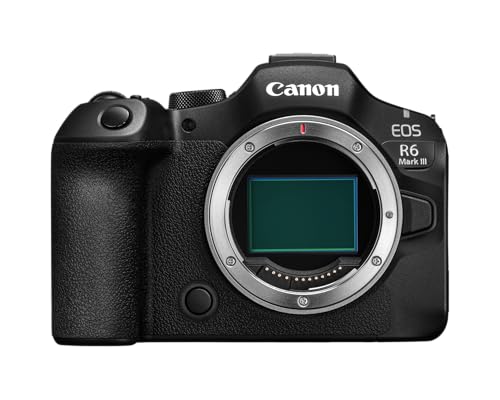
| Canon EOS R6 Mark IIIBest Value |
Full-frame hybrid, fast burst, animal eye detection. | 85/100 | Check Price |
| Nikon Z6 IIIBest for Low Light |
Full-frame hybrid, strong low-light performance, animal detection. | 82/100 | Check Price |
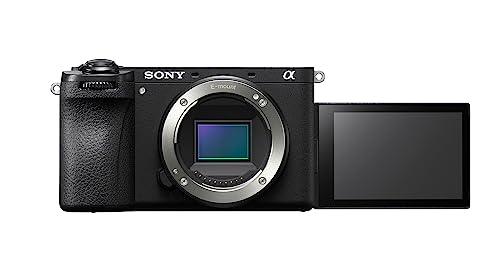
| Sony A6700Best Budget Option |
APS-C hybrid, compact body, animal eye detection. | 79/100 | Check Price |
 Fujifilm X-T5Best for Portraits Fujifilm X-T5Best for Portraits |
APS-C, 40 megapixels, film simulation modes. | 76/100 | Check Price |
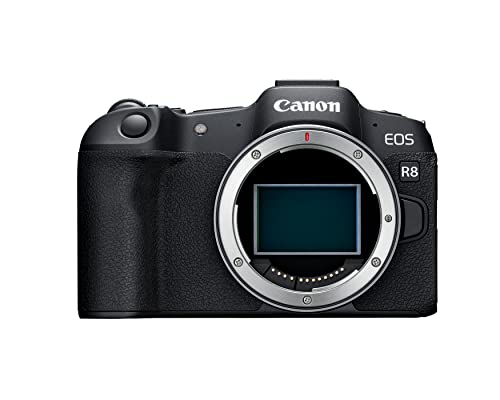 Canon EOS R8Best Lightweight Option Canon EOS R8Best Lightweight Option |
Full-frame hybrid, lightweight body, animal detection. | 74/100 | Check Price |
Detailed Reviews and Top Picks
1. Sony A9 III
88/100
Best Overall
Key spec: Full-frame, extremely fast burst, advanced animal eye detection.
This camera’s extremely fast burst rate and reliable animal eye detection make it a favorite for professional pet photographers who need to capture the exact peak of a dog mid-jump or mid-run. It handles erratic movement with confidence. Its price reflects a professional-grade tool rather than a casual pet-photo camera.
- Extremely fast burst rate for peak action
- Reliable animal eye detection
- Minimal rolling shutter distortion
Pros
- Captures the exact peak moment of fast movement
- Confident tracking of erratic pet behavior
- Excellent for action-heavy pet photography businesses
Cons
- Premium price aimed at professional use
2. Canon EOS R6 Mark III
85/100
Best Value
Key spec: Full-frame hybrid, fast burst, animal eye detection.
This camera brings strong animal tracking and a fast burst rate to pet photography at a more accessible price than flagship options. It performs well in dim indoor settings too. It is not quite as fast as top-tier action cameras, though more than adequate for the vast majority of pet photography.
- Reliable animal eye and body tracking
- Strong burst rate for the price
- Good low-light performance for indoor pet shoots
Pros
- Excellent value for serious pet photography
- Confident tracking of running and playing pets
- Versatile for both stills and video content
Cons
- Not quite as fast as flagship action-focused bodies
3. Nikon Z6 III
82/100
Best for Low Light
Key spec: Full-frame hybrid, strong low-light performance, animal detection.
Pet sessions often happen indoors or in dim evening light, and this camera’s low-light strength keeps images clean in those conditions. Animal eye detection stays reliable throughout. Its resolution is moderate, which rarely matters for typical pet photography print and social sizes.
- Excellent low-light and high-ISO performance
- Reliable animal eye detection
- Fast sensor readout reduces distortion
Pros
- Great for indoor and evening pet sessions
- Confident tracking of moving pets
- Clean images at higher ISO settings
Cons
- Resolution is moderate for very large prints
4. Sony A6700
79/100
Best Budget Option
Key spec: APS-C hybrid, compact body, animal eye detection.
This compact APS-C body brings reliable animal eye detection to pet photography at a friendlier price than full-frame options. Its light weight makes it easy to chase after an energetic dog. The smaller sensor trails full frame in low light and background blur, a reasonable trade for the savings.
- Reliable animal eye detection at a lower price
- Compact and easy to handle while chasing pets around
- Fast enough burst for casual action
Pros
- Good value for serious hobbyist pet photography
- Light and easy to carry during active sessions
- Confident autofocus tracking
Cons
- Smaller sensor limits low-light and background blur versus full frame
5. Fujifilm X-T5
76/100
Best for Portraits
Key spec: APS-C, 40 megapixels, film simulation modes.
For pet photographers who prioritize composed portraits over fast action, this high-resolution body captures beautiful fur detail and distinctive color. It is comfortable to shoot with for extended sessions. Its autofocus tracking trails the fastest Sony and Canon bodies for genuinely erratic, high-speed pet movement.
- High resolution for detailed pet portraits
- Distinctive color rendering
- Compact, lightweight body
Pros
- Excellent detail for close-up fur and expression shots
- Film simulations suit editorial pet photography
- Comfortable for extended sessions
Cons
- Autofocus tracking trails Sony and Canon for the fastest action
6. Canon EOS R8
74/100
Best Lightweight Option
Key spec: Full-frame hybrid, lightweight body, animal detection.
This lightweight full-frame body brings solid animal detection to pet photography at a friendlier price than flagship options. It stays comfortable through active outdoor sessions chasing dogs around a park. The lack of in-body stabilization and smaller battery are the trade-offs for its lower cost and weight.
- Full-frame image quality at a lower price
- Reliable animal eye detection
- Light enough for active outdoor sessions
Pros
- Affordable entry into full-frame pet photography
- Comfortable for long, active outdoor shoots
- Good autofocus for the price
Cons
- No in-body stabilization
- Smaller battery than pro-level bodies
Frequently Asked Questions
It makes a significant difference, since it lets the camera reliably lock onto a pet’s eye even during fast, unpredictable movement, rather than relying on manual focus point placement.
A burst rate of at least 8 to 10 frames per second helps capture the peak of a jump or fast movement, though faster is better for very energetic dogs.
Full frame helps with low light and background blur, but APS-C bodies like the Sony A6700 are a capable, more affordable option for most pet photography needs.
A versatile zoom in the 24-70mm or 70-200mm range covers both close interaction shots and distant action shots of pets running and playing.
Our Verdict
The Sony A9 III is our top pick for pet photography thanks to its extreme burst speed and animal tracking, while the Canon EOS R6 Mark III is the runner up and the best value choice for serious hobbyists and working pet photographers.