LEGO photography lives or dies on fine detail and accurate color, since tiny bricks and minifigure expressions need to render sharply even when cropped in for social media. We compared cameras on close-focus capability, resolution, and color accuracy for this specific miniature subject matter.



| Lens | Best For | Research Score | Buy |
|---|---|---|---|
| Fujifilm X-T5Best Overall |
APS-C, 40 megapixels, film simulation modes. | 87/100 | Check Price |
| Sony A7R VBest Resolution |
Full-frame, 61 megapixels, excellent detail rendering. | 84/100 | Check Price |
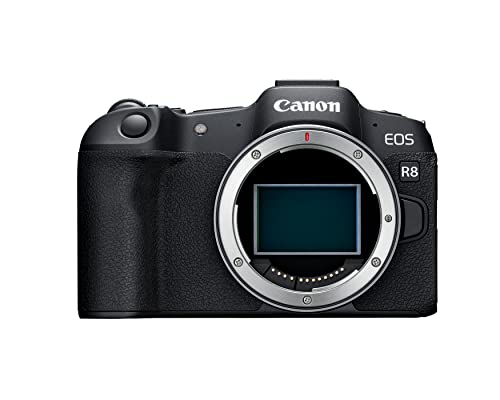
| Canon EOS R8Best Value |
Full-frame mirrorless, good macro lens compatibility. | 81/100 | Check Price |
| Nikon Z50 IIBest Budget Option |
APS-C mirrorless, compact body, good detail. | 78/100 | Check Price |
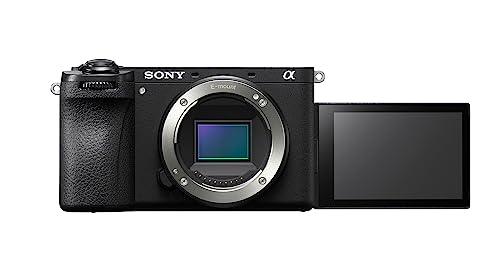 Sony A6700Best for Macro Lens Access Sony A6700Best for Macro Lens Access |
APS-C mirrorless, wide macro lens ecosystem. | 76/100 | Check Price |
 Panasonic Lumix G9 IIBest for Focus Stacking Panasonic Lumix G9 IIBest for Focus Stacking |
Micro Four Thirds, in-camera focus stacking, high resolution modes. | 74/100 | Check Price |
Detailed Reviews and Top Picks
1. Fujifilm X-T5
87/100
Best Overall
Key spec: APS-C, 40 megapixels, film simulation modes.
This high-resolution body resolves the fine detail LEGO photography demands, from stud textures to tiny printed minifigure faces. Its color simulations suit the vibrant, saturated palette of LEGO sets beautifully. At the closest macro distances, manual focus fine-tuning often gives the most reliable results.
- High resolution for cropping into fine brick detail
- Distinctive, punchy color rendering
- Compact body for tabletop shooting
Pros
- Excellent detail for close-up brick photography
- Film simulations suit vibrant LEGO color palettes
- Comfortable for extended tabletop sessions
Cons
- Autofocus at extreme macro distances benefits from manual fine-tuning
2. Sony A7R V
84/100
Best Resolution
Key spec: Full-frame, 61 megapixels, excellent detail rendering.
For LEGO photographers who want maximum resolution, this body resolves incredible detail in brick texture and minifigure expressions. Its dynamic range handles scenes mixing bright and dark colors gracefully. Its cost and large file sizes are more than most casual LEGO photographers strictly need.
- Extremely high resolution for maximum detail
- Excellent dynamic range for varied brick colors
- Reliable close-focus autofocus with the right lens
Pros
- Outstanding detail for large prints or heavy cropping
- Handles bright and dark brick colors in the same scene well
- Professional-grade image quality
Cons
- Higher cost and file size than needed for social-media-only work
3. Canon EOS R8
81/100
Best Value
Key spec: Full-frame mirrorless, good macro lens compatibility.
This lightweight full-frame body brings solid detail and pleasing color to LEGO photography at a friendlier price than flagship options. It is easy to move around a tabletop set. The lack of in-body stabilization matters less for tripod-based macro work, which is common for this genre.
- Full-frame image quality at an accessible price
- Good compatibility with macro lenses
- Pleasing Canon color science
Pros
- Great value for full-frame LEGO photography
- Flattering, accurate color rendering
- Light and easy to position around sets
Cons
- No in-body stabilization
4. Nikon Z50 II
78/100
Best Budget Option
Key spec: APS-C mirrorless, compact body, good detail.
This compact, affordable body is a smart entry point for LEGO photographers building a social media following without a large gear budget. It handles casual macro work well. Its resolution is more modest than pricier options, which matters only for very heavy cropping or large prints.
- Affordable entry into serious LEGO photography
- Compact for tabletop shooting
- Reliable autofocus for casual macro work
Pros
- Good value for the image quality
- Easy to handle for extended sessions
- Solid color accuracy
Cons
- Resolution is more modest than higher-end options
5. Sony A6700
76/100
Best for Macro Lens Access
Key spec: APS-C mirrorless, wide macro lens ecosystem.
This body’s access to Sony’s wide macro lens selection makes it appealing for LEGO photographers who want to invest in specialized close-up optics. It focuses reliably at macro distances. Its smaller sensor trails full frame slightly in ultimate detail and dynamic range.
- Access to Sony's extensive macro lens lineup
- Reliable close-focus autofocus
- Compact for detailed tabletop work
Pros
- Strong lens options for serious close-up work
- Good autofocus reliability at macro distances
- Compact and easy to maneuver
Cons
- Smaller sensor than full-frame alternatives
6. Panasonic Lumix G9 II
74/100
Best for Focus Stacking
Key spec: Micro Four Thirds, in-camera focus stacking, high resolution modes.
Focus stacking is genuinely useful for LEGO scenes with foreground and background elements, and this camera’s built-in stacking feature automates a process that would otherwise require manual bracketing and software blending. Its smaller sensor is a reasonable trade for that convenience and its compact, affordable lens lineup.
- Built-in focus stacking for extreme depth of field
- High-resolution shooting mode
- Compact Micro Four Thirds lenses
Pros
- In-camera focus stacking solves shallow macro depth of field
- High-res mode adds extra detail when needed
- Very portable lens lineup
Cons
- Smaller sensor than APS-C or full-frame rivals
Frequently Asked Questions
A macro or close-focusing lens is highly recommended, since it lets you fill the frame with small bricks and minifigures while keeping detail sharp.
20 to 26 megapixels is plenty for social media and moderate cropping, while higher resolution helps mainly for large prints or very aggressive crops.
Yes, since macro distances create very shallow depth of field, focus stacking helps keep an entire miniature scene sharp from front to back.
Soft, diffused lighting, such as a small softbox or even bright window light, reduces harsh reflections on the glossy plastic surface of LEGO bricks.
Our Verdict
The Fujifilm X-T5 is our top pick for LEGO photography thanks to its detail and vibrant color rendering, while the Canon EOS R8 is the runner up and the best value full-frame option for this niche.