Car photography spans everything from static showroom shots to rolling shots on a moving trailer, and the right camera needs to handle both dynamic range on reflective paint and fast autofocus for panning shots. We compared cameras that photographers actually use for automotive work, weighing dynamic range, autofocus tracking, and burst performance.


| Lens | Best For | Research Score | Buy |
|---|---|---|---|
| Sony A7 IVBest Overall |
Full-frame hybrid, 33 megapixels, strong dynamic range. | 89/100 | Check Price |
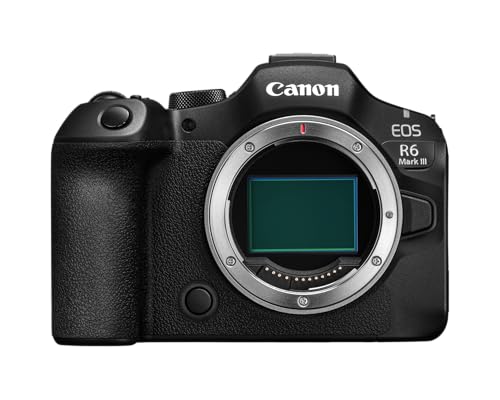
| Canon EOS R6 Mark IIIBest Autofocus |
Full-frame hybrid, fast burst, advanced subject tracking. | 86/100 | Check Price |
| Nikon Z6 IIIBest Low Light |
Full-frame hybrid, partially stacked sensor, strong low-light performance. | 83/100 | Check Price |
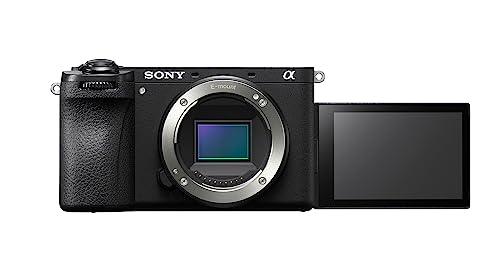
| Sony A6700Best APS-C Option |
APS-C hybrid, compact body, strong autofocus. | 80/100 | Check Price |
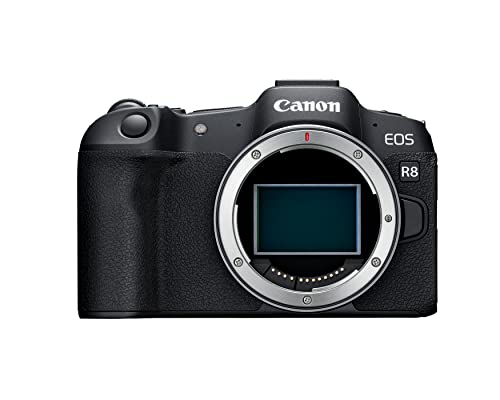 Canon EOS R8Best Budget Option Canon EOS R8Best Budget Option |
Full-frame hybrid, lightweight body, good autofocus. | 77/100 | Check Price |
 Fujifilm X-T5Best for Stylized Color Fujifilm X-T5Best for Stylized Color |
APS-C, 40 megapixels, film simulation modes. | 75/100 | Check Price |
Detailed Reviews and Top Picks
1. Sony A7 IV
89/100
Best Overall
Key spec: Full-frame hybrid, 33 megapixels, strong dynamic range.
This camera resolves the fine highlight detail in glossy paint and chrome that automotive photography demands, while its autofocus tracks a rolling car confidently for panning shots. It handles both studio and location automotive work well. Its burst rate is solid but not class-leading, so dedicated action shooters may want a faster body for the most demanding panning sequences.
- Excellent dynamic range for reflective paint and chrome
- Reliable subject tracking for panning shots
- Versatile for both stills and video
Pros
- Handles tricky reflections and highlights well
- Good all-around autofocus
- Strong lens ecosystem for automotive work
Cons
- Not the fastest burst rate for extreme panning sequences
2. Canon EOS R6 Mark III
86/100
Best Autofocus
Key spec: Full-frame hybrid, fast burst, advanced subject tracking.
For photographers who prioritize nailing the pan on a moving car, this camera’s fast, confident autofocus tracking is a real asset. It also performs well in dim studio lighting. Its resolution is good but not class-leading, so those who print very large automotive posters may want more megapixels.
- Fast, reliable autofocus for moving vehicles
- Strong burst rate for panning sequences
- Good low-light performance for indoor studio shoots
Pros
- Excellent for rolling shots and panning
- Confident tracking of a moving subject
- Versatile for hybrid photo and video work
Cons
- Resolution is more modest than some rivals for large prints
3. Nikon Z6 III
83/100
Best Low Light
Key spec: Full-frame hybrid, partially stacked sensor, strong low-light performance.
This camera’s low-light strength makes it a favorite for evening and indoor automotive shoots where studio strobes or ambient light are limited. Its fast sensor readout also reduces distortion during panning. Resolution is moderate, so it suits web and video-first automotive content more than huge gallery prints.
- Excellent low-light and high-ISO performance
- Fast readout reduces rolling shutter
- Good dynamic range for reflective surfaces
Pros
- Great for indoor and evening automotive shoots
- Confident autofocus for rolling shots
- Strong video specs for automotive content
Cons
- Resolution is moderate for large-format prints
4. Sony A6700
80/100
Best APS-C Option
Key spec: APS-C hybrid, compact body, strong autofocus.
This compact APS-C body is popular for automotive content creators who mount cameras on rigs or need a lightweight second body for multi-camera rolling shots. It tracks a moving vehicle confidently. Its smaller sensor trails full-frame options in dynamic range and low light, which matters more for glossy paint highlights.
- Compact and easy to mount on a car rig
- Reliable autofocus tracking
- Good value for automotive content creators
Pros
- Small size works well for tight rig mounts
- Confident tracking for rolling shots
- Affordable entry into serious automotive photography
Cons
- Smaller sensor limits low-light and dynamic range versus full frame
5. Canon EOS R8
77/100
Best Budget Option
Key spec: Full-frame hybrid, lightweight body, good autofocus.
This lightweight full-frame body brings solid dynamic range and autofocus to automotive photography at a friendlier price than flagship options. It is comfortable to carry through a long shoot day. The lack of in-body stabilization and smaller battery are the trade-offs for its lower cost and weight.
- Full-frame image quality at a lower price
- Capable autofocus for moving subjects
- Light enough for handheld panning all day
Pros
- Affordable entry into full-frame automotive work
- Good dynamic range for the price
- Comfortable for long shoot days
Cons
- No in-body stabilization
- Smaller battery than pro-level bodies
6. Fujifilm X-T5
75/100
Best for Stylized Color
Key spec: APS-C, 40 megapixels, film simulation modes.
For automotive photographers who value distinctive color and fine detail over the fastest tracking, this high-resolution APS-C body delivers striking editorial-style results. It is light and pleasant to shoot with. Its autofocus tracking is a step behind Sony and Canon for the most demanding panning sequences.
- High resolution for detailed prints
- Distinctive color rendering for automotive editorial
- Compact, retro-styled body
Pros
- Excellent detail for close-up automotive shots
- Film simulations suit editorial automotive content
- Lightweight for handheld shooting
Cons
- Autofocus tracking trails Sony and Canon for fast panning
- APS-C sensor limits ultimate dynamic range
Frequently Asked Questions
The Sony A7 IV and Canon EOS R6 Mark III both offer reliable subject tracking for panning shots, with the R6 Mark III having a slight edge in raw autofocus speed.
Full frame helps with dynamic range on reflective paint and low light, but APS-C bodies like the Sony A6700 are a capable, more affordable alternative for many automotive shoots.
Fast, reliable autofocus tracking and strong dynamic range to handle bright highlights on glossy paint and chrome matter more than raw resolution for most automotive work.
It helps for handheld panning shots at slower shutter speeds, though many automotive photographers prioritize autofocus tracking and dynamic range over stabilization specifically.
Our Verdict
The Sony A7 IV is our top pick for car photography thanks to its dynamic range and reliable tracking, while the Canon EOS R6 Mark III is the runner up and the best choice for photographers who prioritize autofocus speed for panning shots.